


Photo Credit: Rib | geograph | CC BY-SA 2.0 | no changes made
Grazing and providing suitable forage are fundamental parts of maintaining the health and well-being of your llamas and alpacas. As herbivores, these animals are well adapted to consume forages to obtain their daily nutrient needs. They require a balanced diet of high-quality forage plants to ensure proper nutrition and digestive efficiency.
Whether pasturing your animals or feeding them hay, it’s essential to understand what to look for in a forage crop and choose an ideal, high-quality species. This forage guide can help you select and provide the best forages for your herd!
Benefits of Allowing Llamas & Alpacas to Forage
There are many benefits to turning your animals out onto pasture as often as possible.
- Access to various grasses and plants in the pasture can provide a well-rounded diet with essential nutrients, vitamins, and minerals.
- Grazing in a pasture encourages movement and physical activity, which helps maintain a healthy weight, muscle tone, and overall fitness.
- Grazing on pasture provides high-fiber forage, essential for proper digestive function and helps prevent issues like colic and bloat.
- Chewing on fibrous plants helps wear down their teeth, promoting dental health and reducing the risk of overgrowth.
- Grazing allows animals to engage in their natural foraging behavior, promoting mental stimulation and reducing stress.
- Access to pasture and the freedom to graze can reduce stress levels in llamas, improving their immune function and overall health.
- Grazing in groups allows for natural social interactions among llamas and alpacas, which can improve their social bonds and overall well-being.
- Grazing can significantly reduce the need for purchased hay and other supplemental feeds, lowering overall feed costs.
- Well-managed grazing can promote soil health, reduce erosion, and enhance biodiversity by maintaining healthy pasture ecosystems.
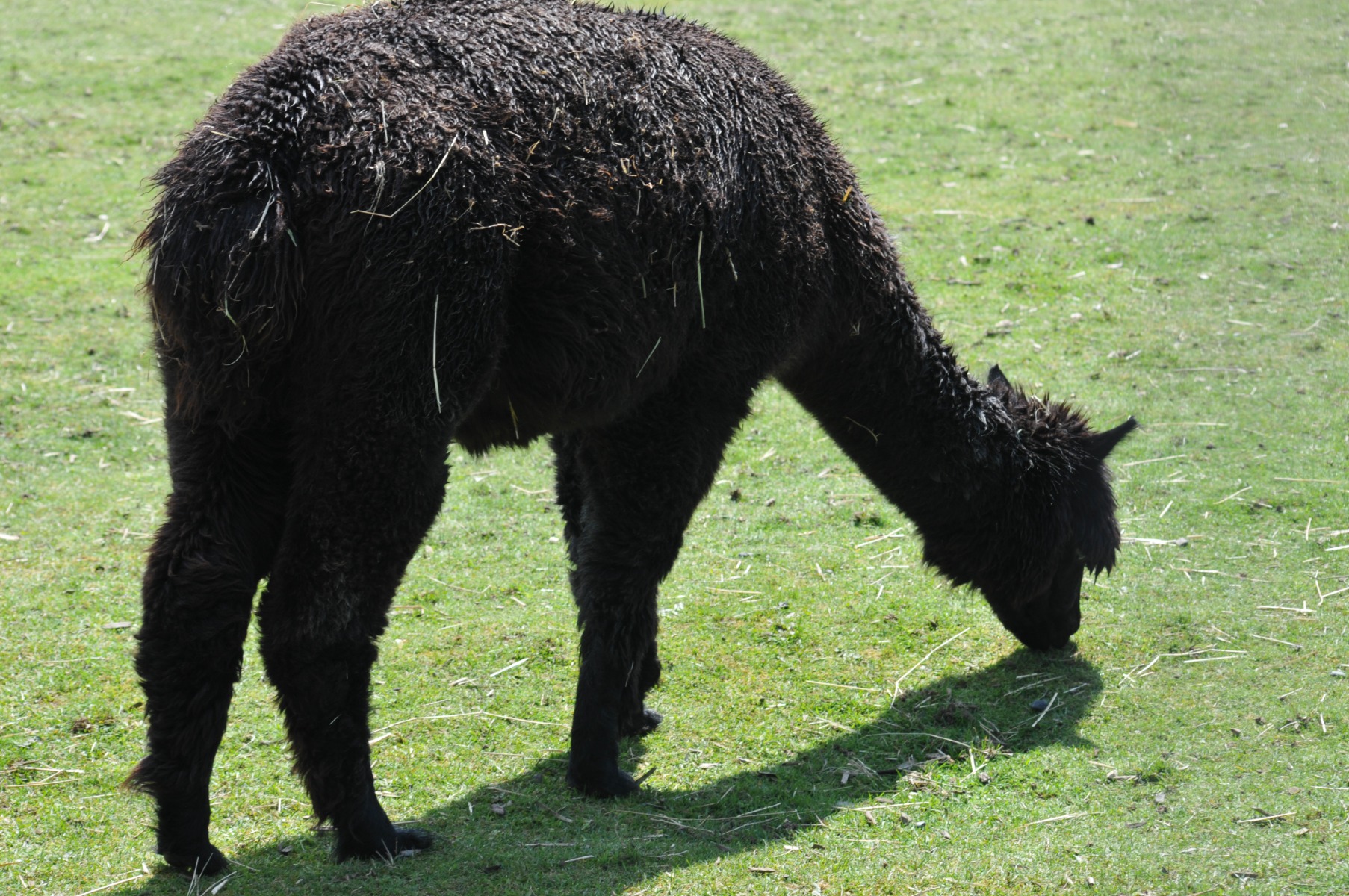 Photo Credit: Arbutus | Flickr | CC BY 2.0
Qualities to Look for When Picking Forage Plants
Nutritional Value
When high-quality forages are grown and well managed, they make up most of, if not the entire diet. Because of this, it’s critical to choose a forage (or a mix of forages) that meets your animal’s nutritional needs.
Forage Yield & Consistent Growth
Beyond nutrition, you also want to choose forages with good dry matter yields and consistent, persistent growth habits. High-yielding plants are crucial to producing enough feed for your herd, and efficient, consistent growth keeps your pasture productive all season.
A primary goal with pastures is to provide feed for your animals from spring to fall without any slumps in growth.
Grazing Habits of Alpacas and Llamas
The digestive systems of llamas and alpacas differ from those of ruminants like cattle, goats, and sheep. They aren’t monogastric animals like pigs or horses, either. Sometimes, they are classified as pseudo-ruminants or modified ruminants because they have three-chambered stomachs that work to digest lower-quality foods with high cellulose content.
Their three-chambered stomachs allow them to use forages to make up most, if not all, of their diet. Llamas can also maintain nutrient levels on low-protein diets by secreting urea from their blood into the rumen to synthesize protein.
Llamas and alpacas are selective grazers, meaning they choose specific plants and parts of plants to eat. They use their sensitive lips to pick and choose the most nutritious and palatable forage parts — typically leaves first, then stems. They tend to graze close to the ground, nipping off plants at their base, which helps them maximize their nutrient intake from the plants they consume.

Ideal Forages For Llamas and Alpacas
Several forages are available that make great camelid pastures. When choosing the best option(s) for your animal(s), always consider what is best adapted to your local area, climate, and management situation.
Grasses
Pros of Forage Grasses
✓ High fiber content
✓ Long growing season
✓ Tolerant of frequent, close grazing
✓ Stands establish quickly
✓ Tolerant of a broader range of soils
✓ Better drought tolerance than legumes
✓ Can be grazed or used for hay
Cons of Forage Grasses
✗ Lower crude protein content
✗ Less trampling tolerance
✗ Lower dry matter yields
 Photo Source: Jeffrey Surianto | Pexels
Recommended Cool-Season Grasses
Cool-season grasses make excellent forages for pasture because they grow abundantly in spring and fall when temperatures are cooler. They also tend to retain forage quality better than warm-season types.
- Forage Kentucky bluegrass is suitable for grazing because it is low-growing and forms a tight sod that provides sound footing for grazing animals. It is also very palatable, highly nutritious, and tolerant of frequent, close grazing—it grows taller and leafier than varieties used for home lawns.
- Orchardgrass is a highly productive forage option. It’s clean and sweet-smelling, with excellent palatability. Deer Creek Seed’s Amplify Brand Orchardgrass has moderate winter hardiness and grows quickly.
- Timothy grass is full of fiber for improved gut health and has a balanced ratio of calcium and phosphorus to maintain bone health. It produces abundant leaves in midsummer when other forages slow their growth due to the heat.
- Perennial, annual, and intermediate ryegrasses are highly nutritious and recover rapidly from frequent, close grazing. All ryegrasses establish themselves quickly and are tolerant of rocky or poor soils. Perennial types are better for cooler, northern climates; annual ryegrasses are not cold-tolerant.
- Endophyte-free tall fescues (Fawn Tall Fescue, Cajun II, Kentucky 32.) have excellent fall productivity to extend the grazing season and are moderately tolerant of continuous grazing. They are also good at resisting weeds, insects, and diseases.
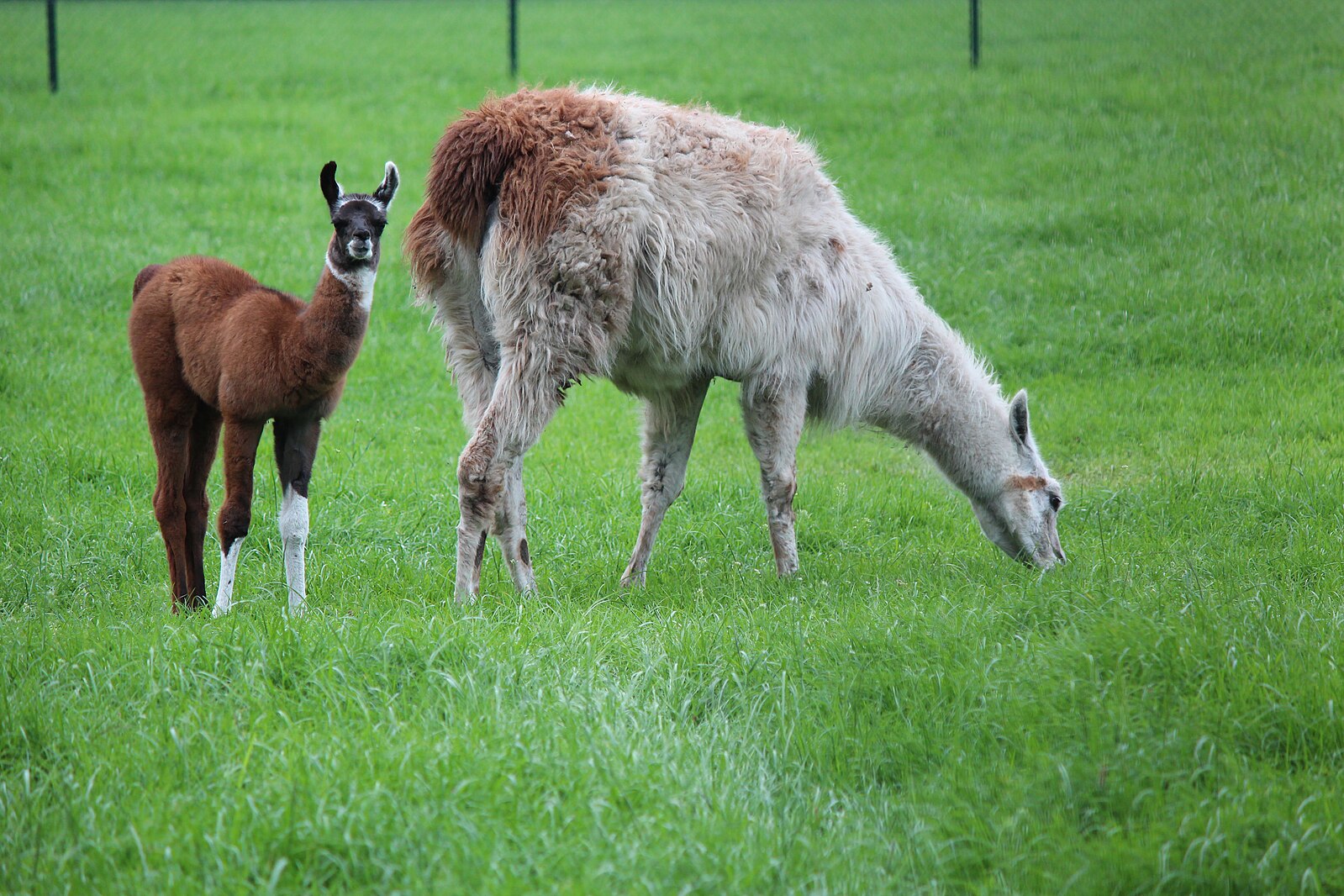 Photo Credit: Robderuiter | Wikimedia Commons | CC BY-SA 3.0 | no changes made

Recommended Warm-Season Grasses
Warm-season grasses are valuable forages for pastures, especially in Northern regions. They can provide green grazing during the summer slump when cool-season grass growth slows. These grasses generally have higher fiber content and lower crude protein and nonstructural carbohydrates than cool-season grasses.
- Bermudagrass produces large amounts of dry matter and can offer high nutritional value for your animals. It tolerates grazing pressure, and its crude protein content responds well to nitrogen fertilizer applications. Some cold-hardy forage varieties that establish well from seed are available.
- Bahiagrass provides nutritious forage through the entire grazing season, with peak production occurring in the warmer months. One of the critical advantages of bahiagrass as a forage is its ability to thrive in low-fertility soils and withstand drought conditions.
Legumes
Pros of Forage Legumes
✓ High in crude protein
✓ Higher tolerance of large animal grazing
✓ Nitrogen fixation improves soil fertility and lowers fertilizer costs
✓ Improved palatability and digestibility
✓ Useful for grazing or hay
Cons of Forage Legumes
✗ Less tolerant of weather extremes (heat, cold, drought)
✗ Higher management needs
✗ It can cause bloat in high concentrations
Recommended Legumes
Legumes make excellent forage choices because of their higher energy and nutrient content. They can provide animals with adequate nutrients except vitamins D and B12. Keep pasture composition less than 25% legumes to minimize bloat and slobbers.
- Ladino, white, and red clover provide essential amino acids that improve feed conversion and muscle growth.
- Alfalfa’s high protein and calcium content help support bone strength and rapid muscle development. It also serves as an excellent energy source, helping animals stay warm during cold periods.
 Photo Source: Wikimedia Commons

Forages to Feed in Moderation
- Brassicas like turnips and rape (Purple Top, York Globe, Seven Top) can cause digestive upset and bloat in llamas and alpacas if consumed in large quantities.
Forages to Avoid With Camelids
- Forage sorghums and sudangrasses can produce cyanogenic glycosides, which can lead to cyanide poisoning, especially when the plants are stressed by drought or frost.
- Alsike clover, especially pure stands, is known to cause photosensitization and big liver syndrome. Photosensitization occurs from short-term exposure and often looks like sunburn; long-term exposure may result in big liver syndrome and, ultimately, liver failure.
- Johnson grass can produce cyanogenic glycosides similar to sorghums and sudangrasses.
Growing Mono Stands Versus Mixed Species Pastures
There are advantages and drawbacks to growing mono stands of grasses and legumes. Since they both offer excellent forage potential, it’s hard to say that one is better.
- Cool-season grasses have a more extended growing season—they produce earlier in the season and later in the fall than legumes—but they slow down in the summer, offering very little grazing material.
- Warm-season grasses produce during the summer heat but aren’t as high quality as cool-season.
- Legumes have the best crude protein levels but require more intensive management and aren’t as tolerant of heat, cold, and drought.
Because of this, many producers opt to plant mixed forage pastures that include multiple grass or legume species, or legumes and grasses to reap more benefits, including:
- Increased dry matter weight and crop yield
- Reduced weed competition
- Improved distribution of forage growth through the season
- Greater adaptability to weather conditions
- Reduced nitrogen fertilizer needs from the leguminous nitrogen-fixation
- Less winter kill and frost heaving with thicker sod
Looking for high-quality pasture mixtures? Deer Creek Seed offers the following selections for llamas and alpacas.
- Equine “Endophyte-Free” Pasture Mix
- Equine Pure Grass Pasture Mix
- Pastureland Equine South
- Pastureland Over-Seeder South
- Premium Grass Base Forage Mix
- Beef Plus Pasture Mix
- #4 Pasture Mix
Stocking Rates for Camelid Pastures
The stocking rate is the most important—and commonly ignored—aspect of pasture management. The total body weight of animals grazed on an acre of pasture must be within an acceptable range to successfully manage the stand(s).
The general recommendation for alpacas and llamas is five to ten animals per acre.
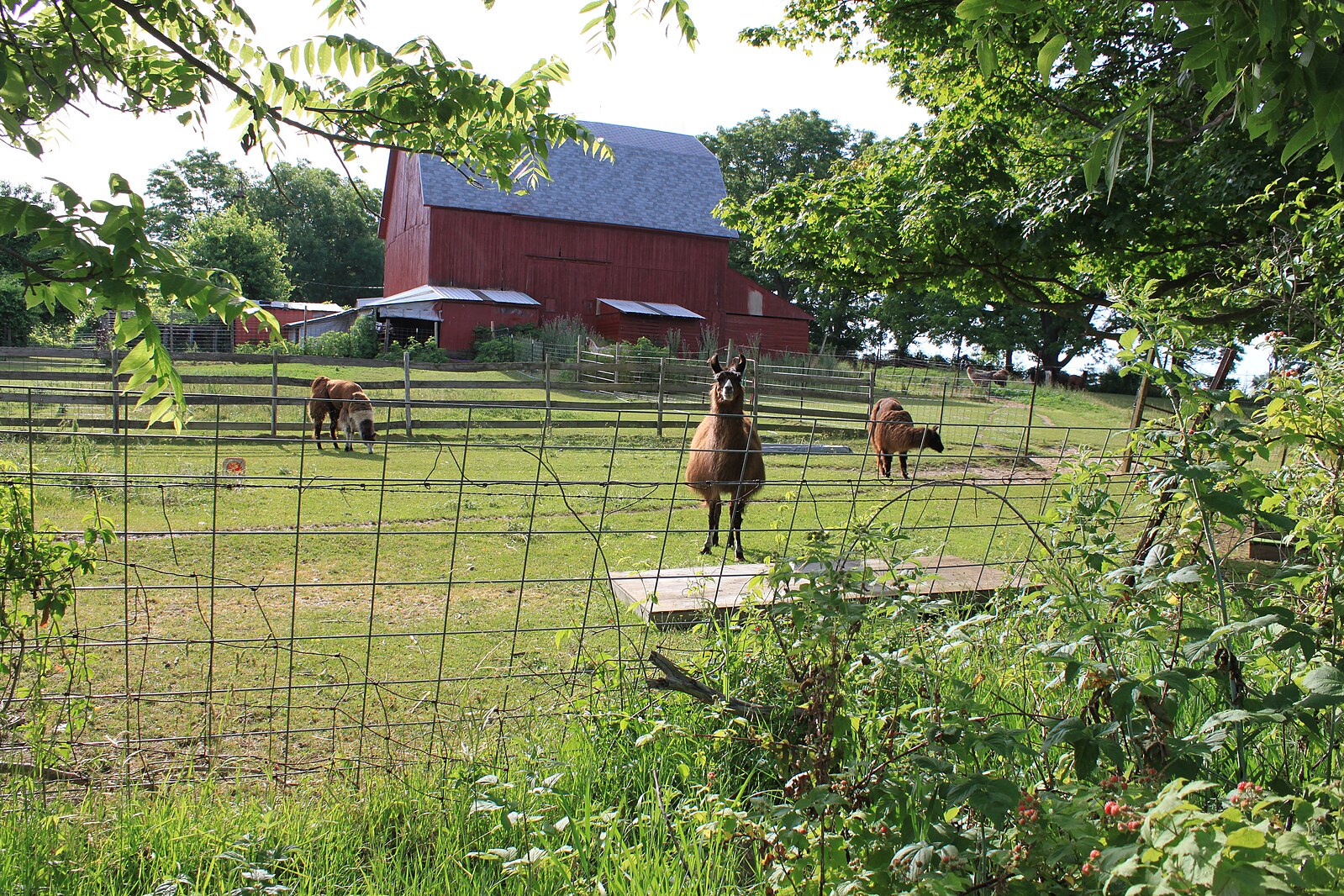 Photo Credit: Dwight Burdette | Wikimedia Commons | CC BY 3.0 | no changes made

Rotational Grazing for Better Pasture Efficiency
Rotational grazing is regularly moving animals between several smaller paddocks instead of allowing them to graze in one large pasture.
Moving animals through a circuit of smaller paddocks gives the other paddocks time to rejuvenate. When grazing other paddocks, an area is left empty, plants are allowed to rest, and the forages recover and regrow. This rotation increases pasture productivity and enables a more even distribution of manure and nutrients.
While rotational grazing requires more oversight and management than continuous grazing, it offers big payoffs: increased forage feed value and productive pastures that require less renovation or reseeding.
Recommended Rotational Grazing System
Rotational grazing systems come in all shapes and sizes depending on the individual farm However, an ideal rotation has a minimum of four paddocks surrounding a single dry lot.
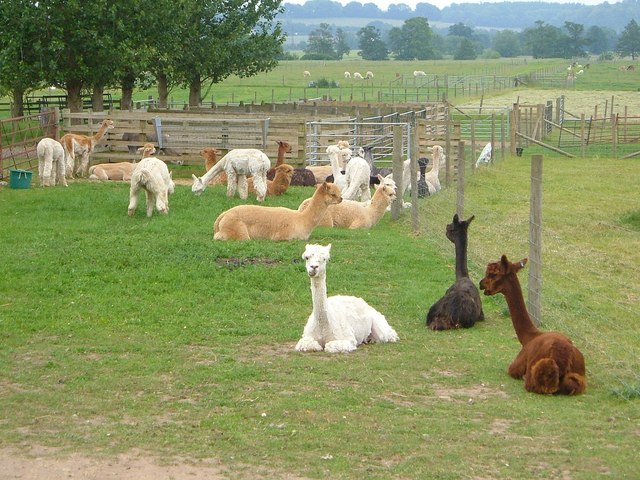 Photo Credit: Derek Harper | geograph | CC BY-SA 2.0 | no changes made
The dry lot contains shelter, the main feed, and a water source. All paddocks connect to this central “sacrifice” lot via gates; animals always have access to it, no matter the paddock they’re grazing.
Grazing animals should always be in the paddock with the tallest forage, and the gates to all others should be closed.
Once the paddock is grazed, move your animals to the next one ready and shut the gates to the previous paddock. Continue this system until all paddocks are grazed, and then begin again.
Forage Quality Analysis
Forage quality directly reflects nutritional content and availability of the nutrition components to the consuming animal.
Three principal quality parameters are commonly used when evaluating forages, whether pasture, hay, or silage: crude protein (CP), neutral detergent fiber (NDF), and acid detergent fiber (ADF).
When animals depend upon forages for a large part of their diet, parameters such as total digestible nutrients (TDN), net energies, and mineral concentrations are also frequently reported.
Understanding Crude Protein (CP)
Protein is a vital component of forages. It is the source of energy in feed and provides nitrogen and essential amino acids to the animal.
Forages and other feeds are analyzed for crude protein (CP), the combined percentage of true protein and non-protein nitrogen. This number tells a forage’s ability to meet an animal’s protein needs and is useful when developing livestock rations.
- Legume forages have 20 to 24% CP.
- Spring and summer grass pastures contain upwards of 20% CP.
Understanding Fiber Content: Neutral Detergent Fiber (NDF) & Acid Detergent Fiber (ADF)
Another critical measure of a forage’s quality is the amount of fiber in the plant material, as fiber is the predominant factor in forage digestibility. Structural components like cellulose, hemicellulose, and lignin are included in the fiber content.
Generally speaking, fiber levels and digestibility are inversely correlated. Lower fiber means higher digestibility; higher fiber means lower digestibility.
Higher digestibility typically means higher energy value for the animal and better forage quality. Low fiber values also suggest the forage is easier to chew and considered more palatable (i.e., llamas and alpacas will consume more.)
Neutral detergent fiber (NDF) and acid detergent fiber (ADF) measure a forage’s cell wall composition.
- NDF measures hemicellulose, cellulose, and lignin levels and is typically used to predict intake potential.
- In grasses, NDF < 50% is considered high quality; NDF > 60% is low.
- In legumes, NDF < 40% is considered good quality; NDF > 50% is considered poor.
- ADF measures cellulose and lignin and is commonly used to calculate digestibility.
- Forages with less than 35% ADF are typically considered high-quality.
Grasses typically contain more NDF and ADF than legumes because of greater lignification. However, you see a wide variability of NDF and ADF within grass species. And the hemicellulose, cellulose, and lignin amounts typically increase in all forages as they mature.
Understanding Moisture and Dry Matter (DM)
Dry matter (DM) is the non-moisture portion of a forage; it indicates the nutrient concentration available to your animals. The higher the dry matter, the higher the nutrients.
- Pastures typically contain 75 to 90% moisture content or 10-25% DM, regardless of the forage type.
Understanding Total Digestible Nutrients (TDN)
Total digestible nutrients (TDN) estimates the energy content of a food source and is useful when rations make up a large percentage of a feed ration. It is the sum of the digestible fiber, protein, carbohydrates, and lipids that supply energy to the animal.
TDN is directly correlated to digestible energy and is often determined using CP and ADF values.
- Low quality usually contains 45 - 52% TDN
- Mid-quality usually contains 52% - 58% TDN
- High quality usually contains greater than or equal to 58% TDN
Understanding Energy Content
The energy content of a forage can get tricky when you dive into it. At the fundamental level, the energy content of a forage (or other feed source) is the energy available to an animal that can be used for activities like growth, breathing, lactation, etc.
However, there are different ways to express energy content and some controversy surrounding this aspect of forage quality analysis.
- Gross energy (GE) is the total energy content of a forage. Not all gross energy is usable by an animal because of digestion and metabolism.
- Digestible energy (DE) is the energy of a forage absorbed by an animal, accounting for the energy lost in feces during digestion.
- Metabolizable energy (ME) is the energy left after accounting for the energy lost during digestion from the production of urine and gases. It’s the energy available for maintenance, growth, and production.
- Net energy (NE) represents the energy utilized by the body for maintenance, growth, and production. It’s calculated by subtracting all energies lost to metabolic processes from the metabolizable energy.
In America, the energy content of a forage is usually expressed as digestible energy (DE) and is reported in mega calories per pound (Mcal/lb). A forage's crude protein and ADF content provide a reasonable estimation of the DE.
However, DE is considered quite archaic because there are significant differences in how digested energy is utilized from different forages and livestock species. Keep this in mind and view DE values as an estimate.
Understanding Mineral Content
The mineral content in any plant directly reflects the soil it grew in and fertilizer management. The total mineral content is reported as “ash” in a forage analysis. Macronutrient concentrations of the macronutrients are expressed as percentages (%) or grams per pound; trace mineral concentrations are expressed as parts per million (ppm) or milligrams per pound.
All minerals reported on a forage analysis are essential nutrients for overall health. They must be in adequate quantities to satisfy daily requirements. It’s also necessary for some nutrients to occur in balance with others.
- Calcium and phosphorus should be in a 2:1 ratio of approximately two parts calcium to one part phosphorus.
- Zinc and copper should have a 4:1 balance, with more zinc in the plant than copper.
- Iron levels should be no higher than 500 ppm; excess iron can inhibit the absorption of other nutrients and, in extreme cases, trigger insulin resistance.
Looking at Hay Quality Versus Grazing Quality
If you cut or mow forages for later use as hay, there will inherently be some nutritional differences. These differences are primarily because fresh pasture grasses and legumes have a considerably higher water content, affecting other dietary components.
Moisture Content
- Pasture plants typically contain 75 - 90% water
- Hay contains 10 - 12% moisture
The moisture content difference is the leading reason hay can be stored successfully for periods without seeing mold growth.
Crude Protein (CP)
- Grass pastures contain 10 - 20%
- Legume pastures contain 20 - 24% protein
- Grass hays contain 6 - 10%
- Legume hays contain 12 - 20%
As you can see, fresh pasture forages typically have higher crude protein levels than hay, and their overall quality is generally better.
After forages are harvested, their proteins undergo proteolysis, breaking down into nonprotein nitrogen-based compounds like ammonia and urea. This breakdown reduces the CP and changes the amino acid profile of hay.
Notably, the crude protein of legume and grass pastures also declines as the season progresses and plants mature.
Fiber and Digestibility
- Early pasture forages have better digestibility than mature plants
- Fresh pasture is more digestible than hay harvested at the same time
These digestibility differences are inversely related to fiber content. Lignin, cellulose, and hemicellulose increase as plants age, making them harder to digest.
Vitamin Levels
- Pasture is higher in vitamins A, C, and E levels than hay.
After forage is harvested, exposure to oxygen and sunlight degrades these essential nutrients. This degradation continues during hay storage, leading to significantly lower vitamin levels than fresh forages.
Physical Assessment of Forage Hays
When choosing hay to feed your herd, a visual inspection of the quality is as important as its chemical analysis. You’ll want to look at color, smell, maturity, leafiness, and foreign matter.
Color
Color is one of the first things you check when inspecting forage. Different colors can tell you varying things about the hay’s quality. If you’re questioning quality, you can always do a forage analysis.
You preferably want the hay to be green, which indicates good nutrient content, but it should not be the primary or only focus. Weeds also stay green when they’re dried, which can give a false indication of nutritional value.
Light or pale yellow on the bale’s outside indicates sun-bleaching. The bleached areas on the outside will be lower in carotene and less palatable. This isn’t necessarily bad as long as the sun-bleaching doesn’t penetrate the bale more than one-half to a full inch. Bleaching doesn’t reduce the nutrient value too much until it extends beyond that inch mark.
A completely yellow bale typically indicates the forage was too mature when harvested, and the hay will have reduced nutrient value and even poor palatability.
Dark brown or black hay is usually a sign the forage was harvested and baled when wet. Under these circumstances, fungi and bacteria feed on the nutrients, producing heat that darkens the hay. The bale may also have a distinctively sweet odor, almost like caramel.
Heat-damaged hay may contain bacteria, fungi, or mold, potentially producing dangerous mycotoxins. It will also have reduced nutritional value, digestibility, and palatability.
Pro tip: Remember that red clover naturally turns brown as the hay dries. It doesn’t indicate poor quality but is a good reminder to identify the forage species when evaluating hay.
Smell
Hay should have a clean, fresh, slightly sweet smell. It shouldn’t smell musty or stale. If it does, there’s a chance of mold within the forage, and you should pass on purchasing it or feeding it to your animals.
Also, check for excessive dust. If a bale creates a dust cloud as you move it, it can potentially exacerbate or trigger respiratory ailments.
Maturity
As a forage plant matures, it becomes less nutritious. Lignin content in the cell walls increases, potentially decreasing the digestibility. Hence, you want younger forages.
Look at the number and size of seedheads in grass-type hays and the number of flowers in legume hays. If you see very few seedheads or flowers or smaller seedheads, it indicates less mature, desirable hay.
There’s no need to worry about which cutting the hay is. The cutting number has much less impact on its nutritional value than the forage’s maturity when harvested.
You also want to note stem thickness, which indicates the harvested material’s maturity. Hay with thick, coarse stems was harvested when it was more mature than the same species with finer stems. However, hay with fine stems that lack leaves means it was harvested too early and is immature.
Leafiness
Take a look at how leafy the hay is within the bale. Leaves contain more nutrients, protein, and digestible carbohydrates than stems — you want your forage source to have plenty of leaves and fewer stems and seedheads.
Foreign Matter
Lastly, look for foreign matter. You don’t want a bale full of material that adds no nutritional value to the hay or is inedible or dangerous to consume. This includes insects, trash that could puncture the gut or cause an impaction, and dead animals that could introduce botulism neurotoxins.
New Help with Your Forage Needs?
Putting together a high-quality pasture to meet the nutritional needs of your llamas and alpacas doesn’t have to keep you up at night. We’re here to help!
Whether you need help choosing the best pasture seed blend or between grass or legume forages, look no further than Deer Creek Seed! Our high-quality seeds grow productive, nutritious pasture forages, and our experts are available to answer any questions.
Deer Creek Seed’s purpose is to provide you with the highest quality seed at competitive prices and exceptional customer service. Our staff works diligently to serve our customers!
Additional Resources
- Forage quality is important, and quality analysis numbers can be confusing. Penn State Extension has some helpful tables with test values for alfalfa and grass hays.
- Interested in the unique digestive physiology of llamas and alpacas? Team Forage, a division of the University of Wisconsin Extension goes into detail about their gastrointestinal anatomy.
- The University of Minnesota Extension Service has a helpful guide for anyone planning a grazing system.
- Rotational grazing doesn’t have to be confusing with this helpful guide from Iowa State University’s Extension and Outreach.
- Need help to understand your forage report? The UGA Forage Extension Team walks you through moisture, protein, carbohydrates, nutrients, and energy value.
- Deer Creek Seed takes the guesswork out of determining how and when to harvest forages for hay or silage.