


The “False Spring” Survival Guide: How to Time Your Seeding for Success
Early March can tempt even the most seasoned homeowners. A string of warm afternoons, a few patches of bare ground, and suddenly it feels like the perfect moment to get a jump on spring. Bags of grass seed fly off the shelves. Spreaders come out of hibernation. And across the Upper Midwest, countless lawns are coated in Kentucky Bluegrass seed that never had a chance.
Because just as quickly as that warm spell arrives… it ends. Temperatures plunge, snow returns, and all that carefully scattered seed turns into a soggy, rotting mess.
This is the reality of the region’s notorious “False Spring” — predictable in its unpredictability and completely avoidable when you understand what’s really driving it. The key is simple: time your seeding around soil temperature, not the first warm weekend.
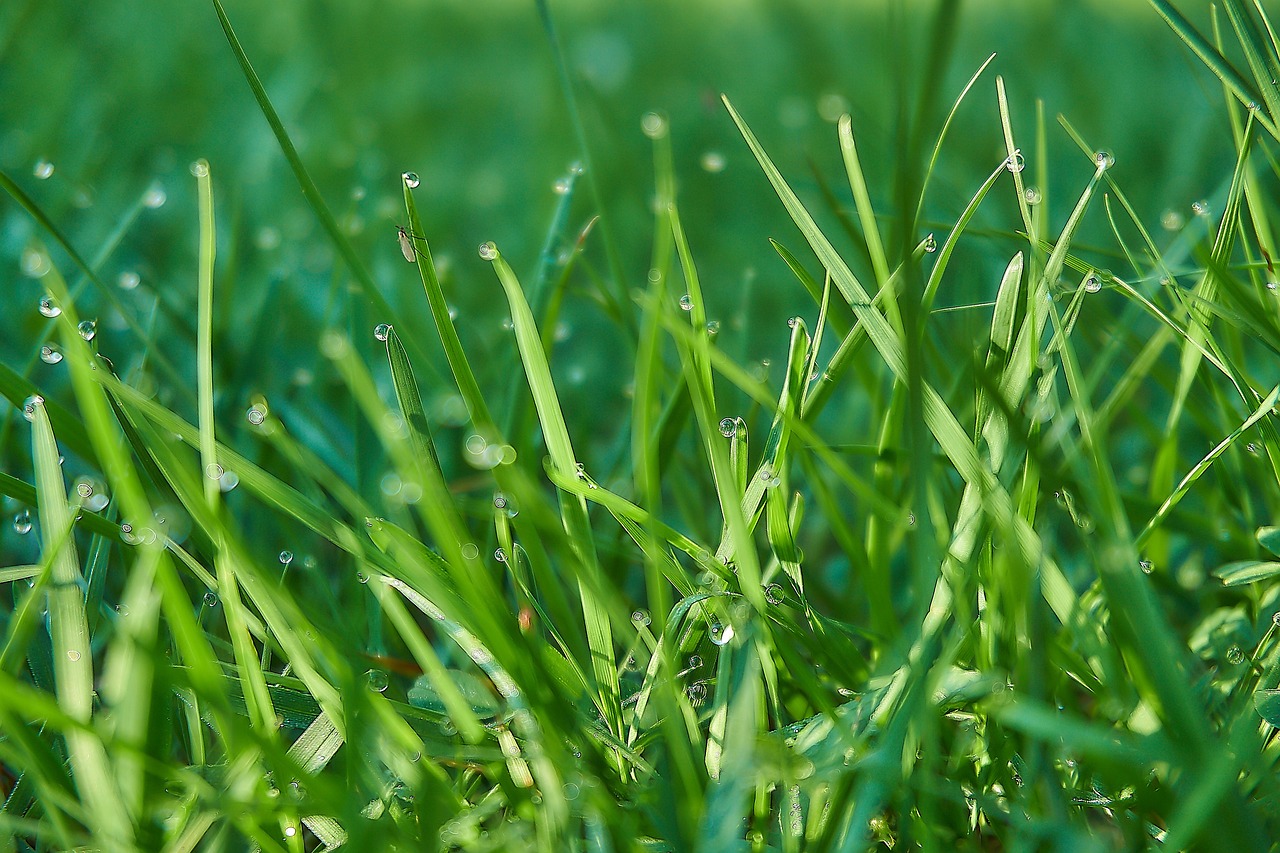 Photo Credit: LMoonlight from Pixabay
Why Early Spring Weather Misleads You
The Upper Midwest sits at the crossroads of two opposing weather systems: lingering Arctic air from the north and warm Gulf air pushing up from the south. Instead of easing gently into spring, the region lurches back and forth between warm spells and hard freezes — sometimes within the same 48 hours.
These swings create a dangerous illusion. While the air warms rapidly, especially on sunny March afternoons, the soil remains stubbornly cold. After months of deep freeze, the ground acts like a massive thermal battery that releases its stored cold slowly and steadily. A 60°F day tells you almost nothing about the temperature four to six inches underground — the zone that determines whether seed germinates or rots.
Until that soil warms, every bag of seed spread in March is a gamble.
Two Seeding Strategies That Actually Work
Homeowners often fail not because they seed too early or too late, but because they seed during the worst possible in-between window. The Upper Midwest only offers two reliable strategies:
- Dormant Seeding (Late November–Early January)
Dormant seeding is intentional. Seed is applied to frozen or near-frozen ground, where it remains inactive until spring. Through winter, freeze–thaw cycles naturally work the seed into the soil, improving contact and stratification. When soil temps rise, the seed is already perfectly positioned to germinate.
Executed correctly, dormant seeding is predictable and effective.
- Waiting for Consistent 50–55°F Soil Temps (Late April–Mid May)
The alternative is to wait until soil temperatures at the 2–4 inch depth remain in the 50–55°F range for five to seven consecutive days. Below 50°F, cool-season grasses will not reliably germinate, and early activity leaves them vulnerable to rot and disease.
This window generally arrives between late April and mid-May — but timing varies. A simple soil thermometer or your state’s ag extension weather page will give you the real answer.
Morning readings at a 4-inch depth offer the most accurate picture of true soil conditions.
 Photo Credit: Alexandra_Koch from Pixabay | CC BY 2.0
Let Nature Help: The Power of “Honeycomb Frost”
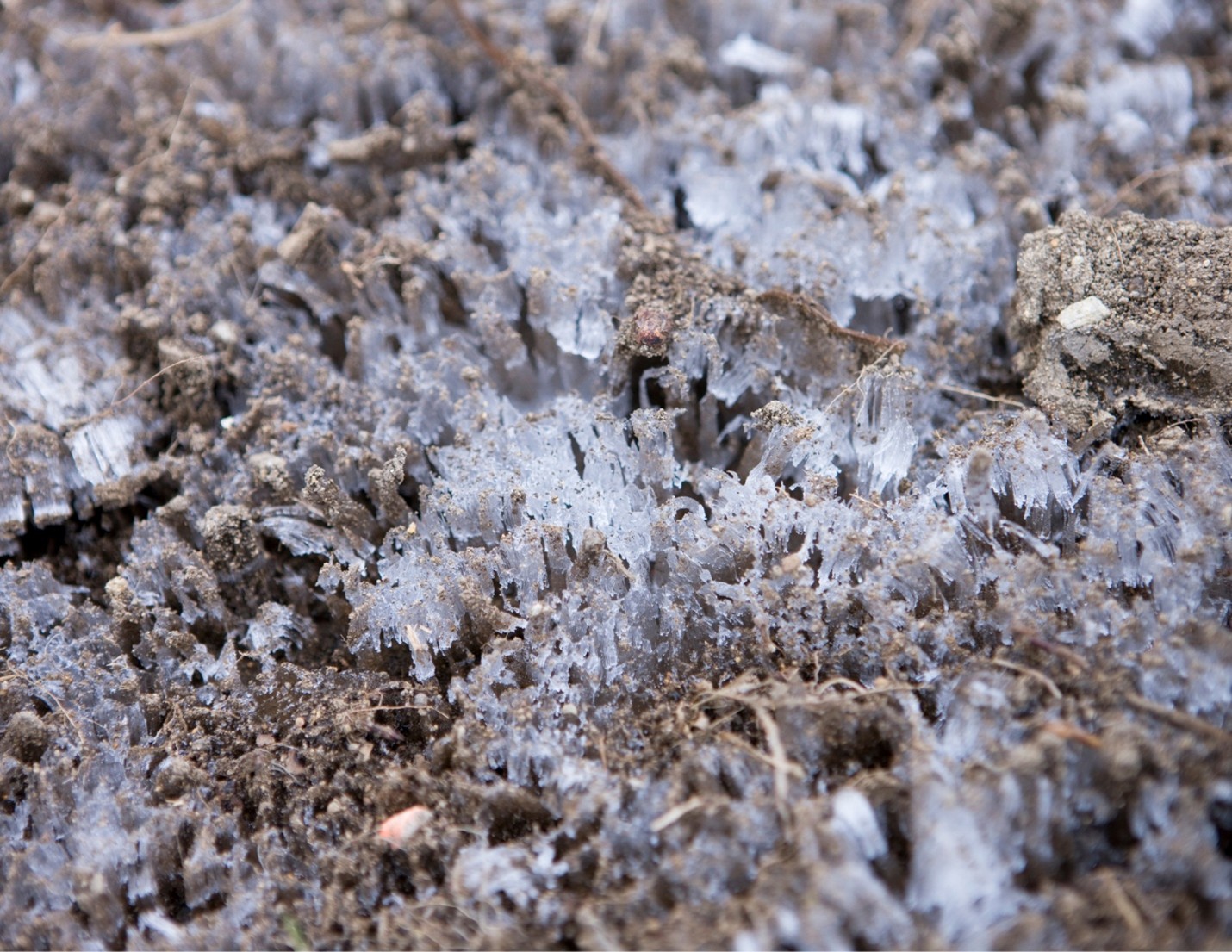
One advantage dormant seeders enjoy is the natural “honeycomb frost” pattern that forms as the ground alternately freezes and thaws. These small heaved pockets create an ideal seedbed — rough, porous, and rich with micro-gaps that capture seed and hold moisture.
It’s a form of natural soil preparation that’s impossible to replicate by hand. If you seed in late fall or early winter, all you need is a broadcast spreader and a quality blend. Freeze–thaw cycles do the rest.
Why Seeding Too Early Leads to Seed Rot
Seeding during a warm March spell often triggers a predictable chain of events. The ground is still cold and saturated. The seed absorbs moisture and begins metabolic activity, but before the germination process can advance, temperatures tank. The partially activated seed sits in cold, wet soil — a perfect setup for Pythium damping-off and other fungal pathogens.
Once that happens, the seed never germinates. It simply decays.
Given the cost of premium grass blends, losing an entire bag to poor timing is a completely avoidable waste.
Choosing the Right Grass for Your Lawn
Kentucky Bluegrass (KBG)
Kentucky Bluegrass blends remain the go-to choice for sunny, moderate-traffic lawns. In mixes like 50/50 Bluegrass/Perennial Ryegrass or Sunny Turf Mix, KBG spreads through rhizomes, meaning it can slowly repair thin spots and build density over time. Improved blends also offer great color and strong disease resistance.

The tradeoff is its slow germination rate — typically 14 to 30 days under ideal conditions. With bluegrass, precise timing isn’t optional. It’s essential.
Tall Fescue
Modern turf-type tall fescues, like those in our 5 Way Fescue Turf Mix, have come a long way from older coarse varieties. Today’s cultivars match bluegrass in appearance while offering deeper roots, better drought resistance, and superior tolerance of shade and heavy soils.
They germinate more quickly (7–14 days) but do not spread like KBG. Tall fescue forms clumps, so thin areas must be overseeded manually. It also blends poorly with established bluegrass lawns.
A Simple Pre-Seeding Checklist
Before committing any seed to the ground, confirm:
- Soil temperature at 4 inches is at or above 50°F and trending upward
- No hard freezes (below 28°F) are in the 10-day forecast
- Soil is workable — not saturated, snow-covered, or frozen
- You have a watering plan for the first 3–4 weeks
- For dormant seeding: you’re working in late fall or early winter, not during a deceptive March warm spell
The Bottom Line
Grass seed responds only to soil temperature — not to the calendar, not to warm afternoons, and not to the neighbor who can’t wait to fire up their spreader.
If you wait until soil temps stabilize at 50–55°F, germination will follow. If you seed into a dormant winter bed, nature will help prepare the perfect seedbed for spring. But if you let False Spring fool you, you’re betting against Upper Midwest weather.
And as thousands of rotted lawns prove each year… that’s a bet the weather always wins.