


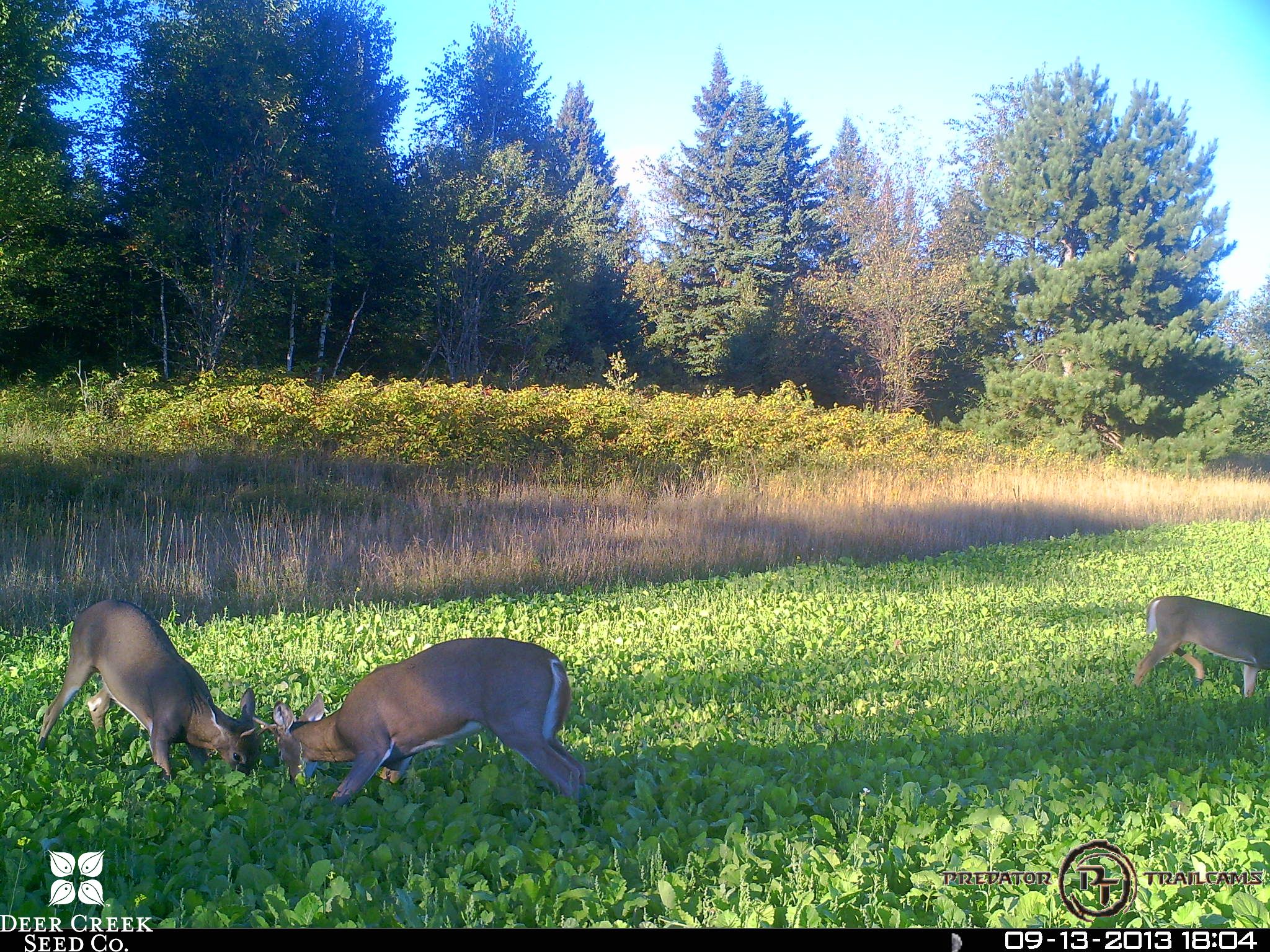
As hunting season approaches, and the realization sets in, many find themselves asking the same pressing question: "How late can I plant a food plot and still have success?"
The answer isn't as straightforward as you might hope, but with the right knowledge and seed selection, you can establish productive food plots well into late summer and even early fall in many regions.
Whether you're a seasoned hunter who got a late start this year or a newcomer to food plotting, understanding the timing constraints and opportunities for late-season plantings can make the difference between a thriving wildlife habitat and a disappointing patch of bare ground.
Understanding the Growing Season Window
The key to planting a successful late-season food plot lies in understanding your local growing conditions, especially the length of the growing season, and selecting appropriate species. Simply put: you need to know when temps drop too low for anything to grow (or it freezes) and how long individual crops take to grow.
First, let’s talk about "days to maturity" because it’s crucial here. This refers to the number of days from planting until the crop reaches maturity or provides significant value to wildlife.
Quick-establishing crops with short maturity periods are your best friends for late-season plantings. Most traditional food plot crops like soybeans, corn, and sunflowers require long growing seasons and are typically planted in spring through early summer. However, many cool-season crops and specialized wildlife blends can be successfully established much later in the year.
Regional Planting Guidelines
Your geographic location plays the most critical role in determining how late you can plant, as climates vary as you move from North to South.
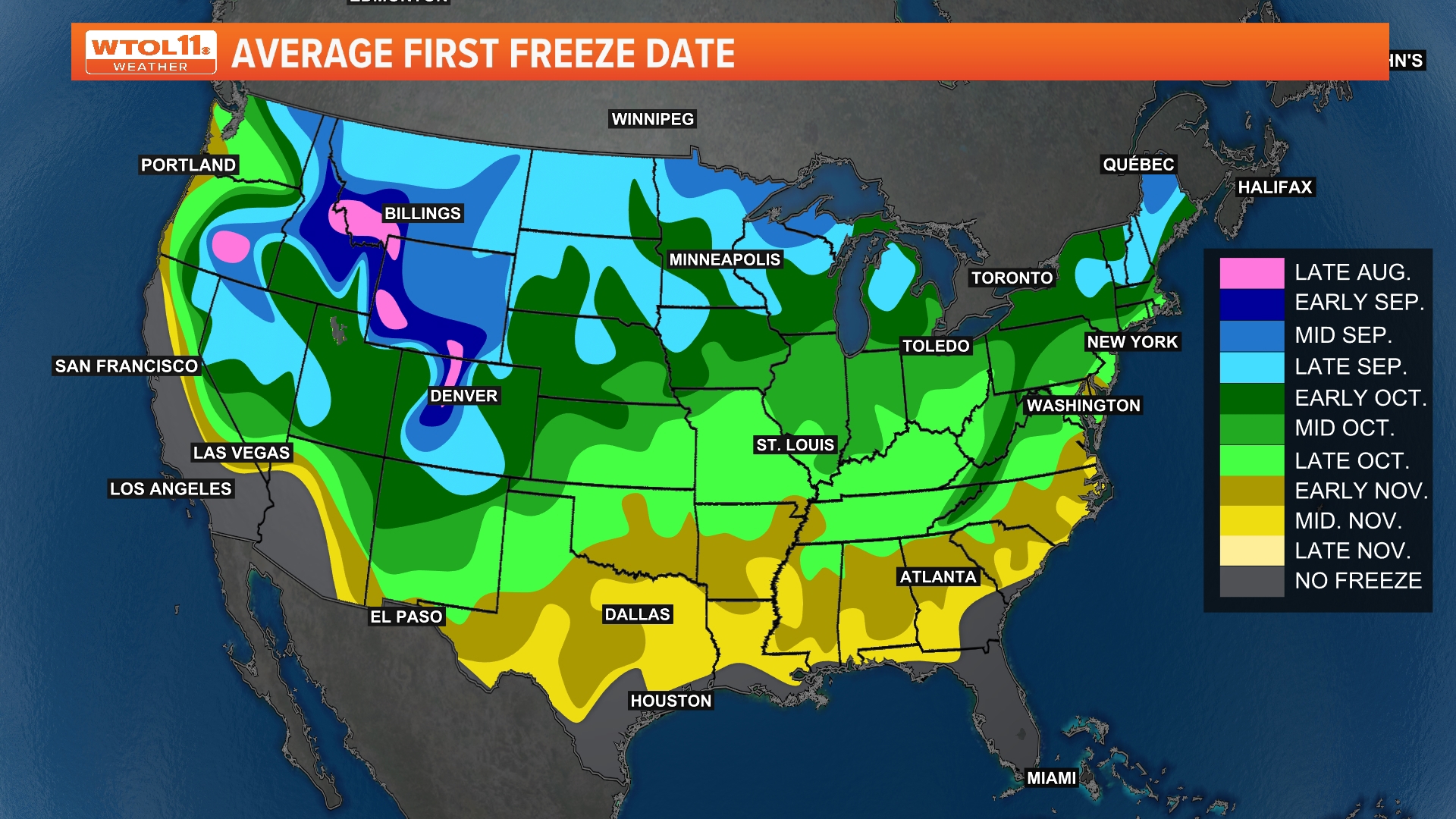 Photo Credit: WTOL11
Northern States (Zones 3-5)
In states like Maine, Vermont, Wisconsin, and Minnesota, the late-season window typically closes by mid-to-late August for most crops. Winter rye can push that timeline slightly and is often planted as late as early September.
Transition Zone (Zones 6-7)
The transition zone offers some of the best opportunities for successful late-season food plotting
States like Pennsylvania, Ohio, Virginia, and Kentucky offer more flexibility than those to the North. Brassicas can often be planted through early September, while MTF 1435 awnless winter wheat and rye can go into the ground through late September.
Southern States (Zones 8-10)
Hunters in Texas, Georgia, Florida, and similar climates have the most flexibility. Many cool-season crops can be planted through October, and some warm-season options may still be viable through early September. Jerry Hard Red Winter Wheat can often be planted as late as November in these regions.
Best Late-Season Food Plot Options
Let's be real – late-season planting is always a gamble. Early frost, drought, too much rain – any of these can mess up your plans. Savvy hunters spread their risk by choosing crops known to grow well in late summer/early fall.
Brassicas: The Late-Season Champions
There’s no doubt that brassicas are the best option for late food plot plantings. Turnips, radishes, giant rapeseed, and forage kale can all be planted relatively late and still provide excellent wildlife nutrition. They thrive in moderate, cooler temperatures.
- Purple top turnips, for instance, can be planted as late as 60-70 days before your first hard frost and still produce both greens and bulbs that deer love.
- Daikon radishes are particularly impressive for late plantings, often reaching impressive sizes even when planted in late August in northern regions. These deep-rooted plants provide both foliage and tubers that remain attractive to deer well into winter.
Cereal Grains: Cold-Hardy Workhorses
Winter wheat, rye, and oats are excellent late-season options that can handle cooler temperatures and shorter day lengths.
- Winter wheat can typically be planted until mid-to-late September in most regions.
- Cereal, or winter rye, is even more forgiving and can often be planted as late as October in many areas.
- Oats deserve special mention as a fantastic late-season option. While they won't survive hard freezes, Arctic forage deer oats can be planted as late as August in northern regions and as late as September in southern areas, providing excellent nutrition throughout fall and early winter.
Clover and Legume Mixes
Clovers and other legumes are often used as late-season cover crops to benefit fields in the following year. It makes sense that they’d also work well for late food plots.
- Crimson clover is a cool-season annual that can be planted in late summer and early fall, providing both immediate forage and spring growth the following year.
- 990 Elite, and other perennial red clovers can also be established in late summer, though they may not offer significant growth until the following spring.
- Hairy vetch can provide substantial nitrogen for other crops in a wildlife blend.
Making the Most of Crunch Time
When you’re tight on time, and want to make the most of what’s left of the growing season, you want to use every advantage you possible can.
Use a Food Plot Blend
Instead of trying your hand at individual crops, consider buying a late-season wildlife blend. Some “late season” or “quick establishing” varieties are optimized for shorter growing periods. These mixes usually combine fast-growing annuals with stuff that'll come back next year.
Even if your plot has lackluster germination, or only half-grows, it's still more food than what was there before. Any extra “groceries” help deer and other wildlife through the tough winter months when natural food is scarce.
Need help choosing a food plot blend? Deer Creek Seed offers a variety of seed mixtures to meet your game needs.
- All Season Wildlife Mix
- Prime Time Brassica Food Plot Mix
- No-Till Wildlife Clover Food Plot Mix
- Spring Greens Elite Food Plot Mix
- Silver Screen Food Plot Mix
- Brassica Blend food plot Mix
- Beets & Sweets Food Plot Mix
- Perennial Plus Food Plot Mix
- Loggers Trail Food Plot Mix
- Bee Clover Mix
Soil Preparation is Critical
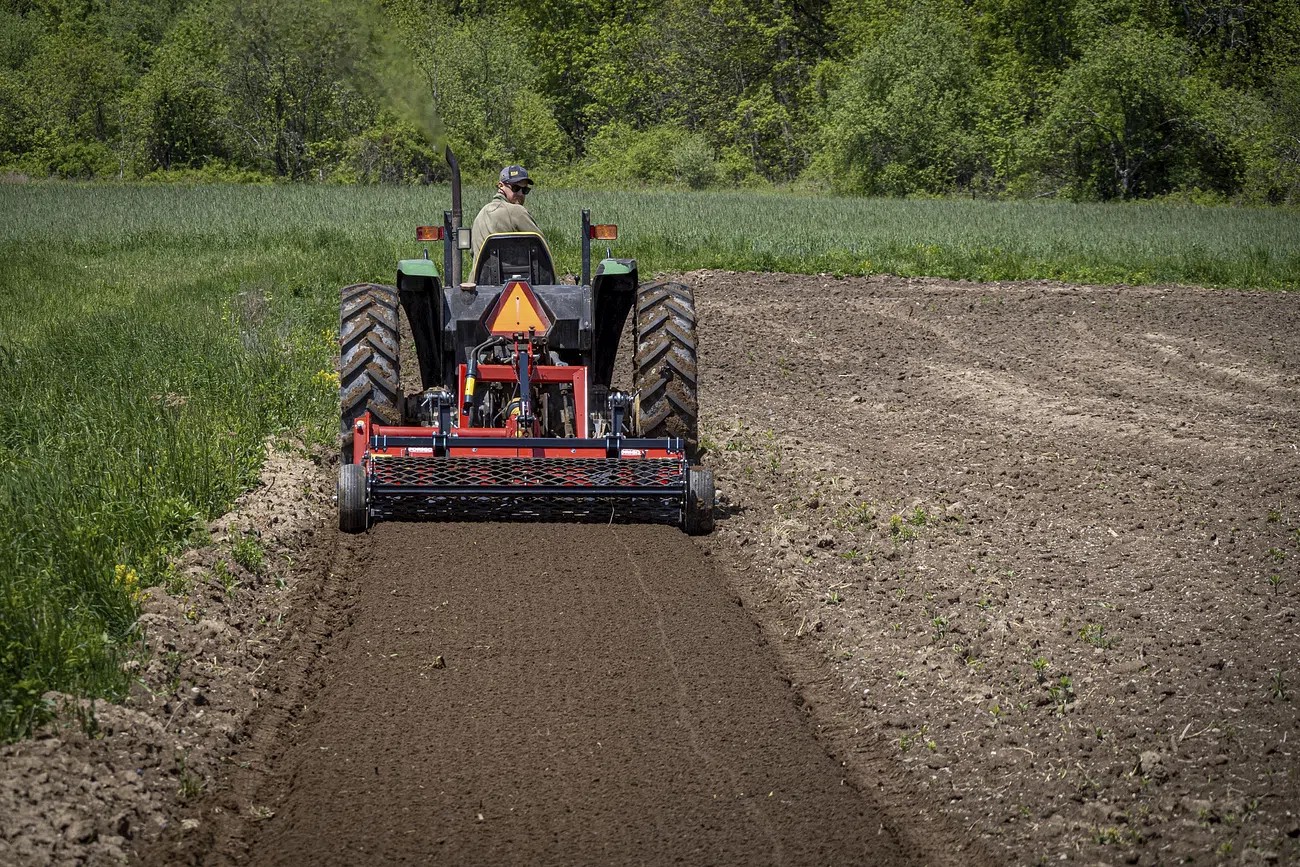
Chances are, you’re in a hurry to get seed in the ground and give a plot as much time to grow as possible before the weather changes. That doesn’t mean, however, that you should take shortcuts and compromise on soil preparation. Late plantings need all the help they can get, plus, they have less time to overcome poor soil conditions.
You need to make sure your soil pH and fertility are optimal, and seedbed preparation becomes even more critical. Test your soil and amend as necessary before planting. Then take the time to properly work the ground.
Moisture Management
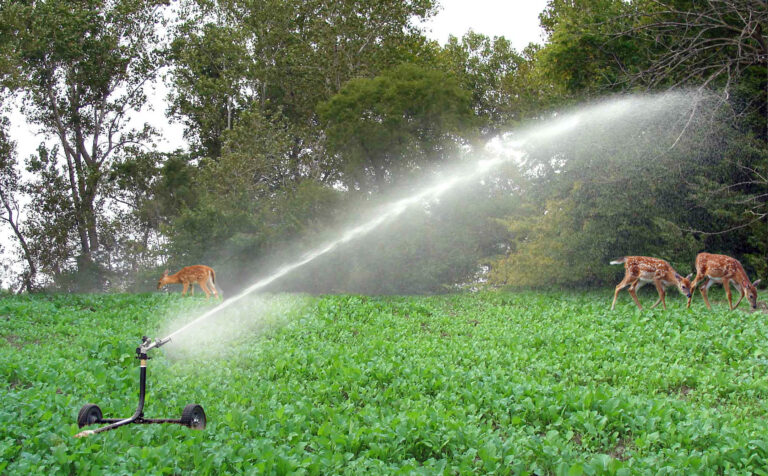
The end of summer and the start of fall can often be unexpectedly hot and dry. Sometimes even in the middle of comfortable, moderate temperatures. To make sure there is adequate moisture for germination, try to plant just before there is rain in the forecast.
Don't plant into dry soil hoping for rain – wait for moisture or provide irrigation if available.
Bump Up Seeding Rates
Increase your seeding rates by 10-20% for late-season plantings to account for lower germination and reduced growing time. The higher plant density will help maximize forage production when you're working with a shorter window before frost.
Common Late-Season Mistakes to Avoid
Obviously, one of the biggest mistakes you can make is trying to plant crops too late, especially warm-season species that need better weather. Soybeans, corn, and sunflowers planted after their optimal window rarely provide significant wildlife value and may fail completely.
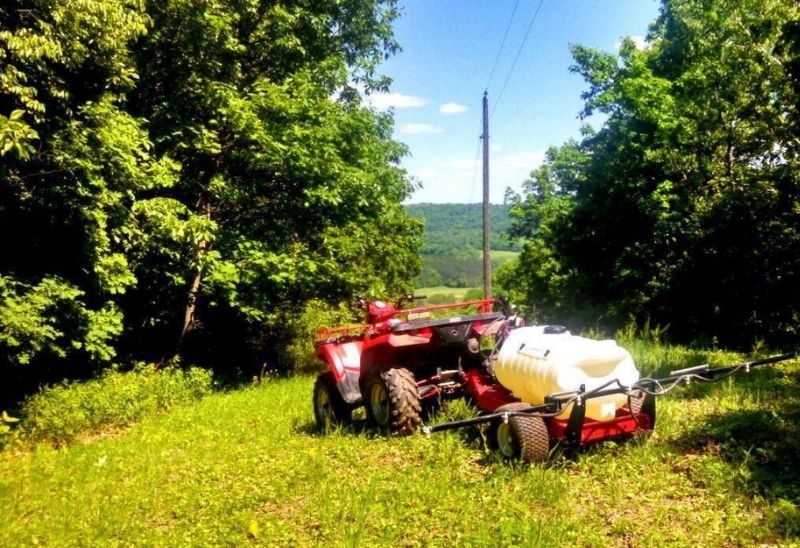
Beyond that, another mistake people make is underestimating the importance of weed control. Late-season plantings often compete with established weeds that have been growing all summer. To give your food plot a chance, proper weed management—both before and after planting—becomes critical.
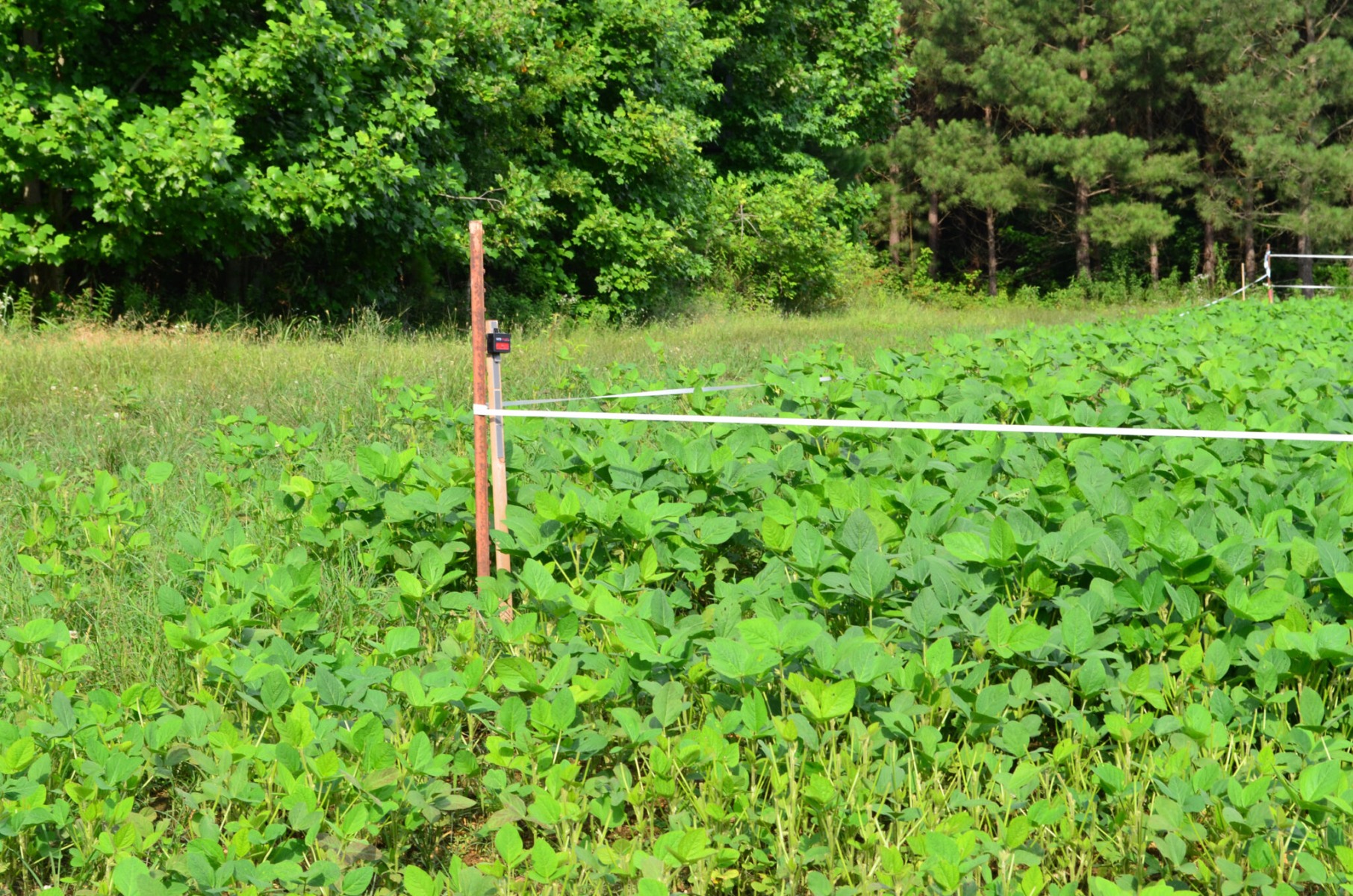
You’ll also need to consider protecting your plot from grazing pressure. As natural food sources decline, late-season plantings will become increasingly appealing to deer and other wildlife. Consider temporary fencing or plant larger plots to accommodate this pressure.
Better Late Than Never
The reality is that spring plantings will always be your best bet for successful food plots. However, when you’re behind schedule, understanding how to work with what you've got can still put food on the ground and deer in front of your stand.
The key is being realistic about what you can accomplish and picking crops that actually work for your situation. Match your seeds to your location, timing, and conditions, and you can still pull off some decent plots even when summer's winding down.
Don't beat yourself up if your late-season plot isn't perfect. Even a half-successful food plot beats an empty field, and it'll give you something to work with next year. Sometimes, good enough is good enough, especially when it means the difference between having food plots and not having them at all.
Get your soil right, pick the right seeds, don't plant into dust, and keep your expectations realistic. Do that, and you might be surprised at what you can accomplish even when you're running behind.
Additional Resources
- Discover how to create effective screening cover around your food plots with guidance from the team at Deer Creek Seed. Strategic perimeter plantings enhance privacy and attract more deer to your hunting area.
- Every productive food plot begins with smart planning and proper groundwork. Our Deer Creek Seed team breaks down the essential steps for creating food plots that consistently produce results.
- Selecting the ideal plants for your food plot can be straightforward with the right approach. Our comprehensive two-part guide walks you through the planning and establishment of food plots that deer can't resist. Check out Part 1 and Part 2 on our website.
- Crafting the ultimate deer dining experience requires a blend of strategy and knowledge. These 6 proven techniques will help you develop food plots that consistently attract and hold premium deer herds.