


If you've been farming or gardening for any length of time, you've probably encountered root rot – that frustrating disease that attacks your crops below the soil line. For growers, especially those focusing on root crops like potatoes, carrots, and beets, root rot can mean the difference between a profitable harvest and significant losses.
Root rot doesn't announce itself with fanfare; it often starts silently underground, only revealing its presence when plants begin to yellow, wilt, or show stunted growth. By that point, the battle becomes much harder to win. The good news is that with the right knowledge and preventative measures, you can protect your crops from this common but devastating problem.
This article provides practical, field-tested strategies to identify, prevent, and manage root rot in your crops. Whether you're an experienced farmer or just starting out, you'll find actionable advice to keep your plants healthy from the roots up and your harvests bountiful. Let's explore how to keep those roots robust and your crops thriving!
Understanding Root Rot
Root rot diseases are typically caused by multiple pathogens working together in what is called a root rot complex. While fungi and oomycetes (water molds) are the most common culprits, bacteria and viruses can also cause root rot.
Root rot can lead to crop losses ranging from slightly above economic thresholds to complete field failures, making prevention critical to a successful harvest. Legumes are particularly susceptible, but cereals, fruit trees, and tuber crops are also vulnerable.
Common Pathogens Causing Root Rot
The main pathogens responsible for root rot in field crops include:
- Pythium: One of the most common root rot pathogens, often associated with excessive nutrient levels or ammonium toxicity. It has a wide host range and can cause damping-off, crown rot, and stem rot.
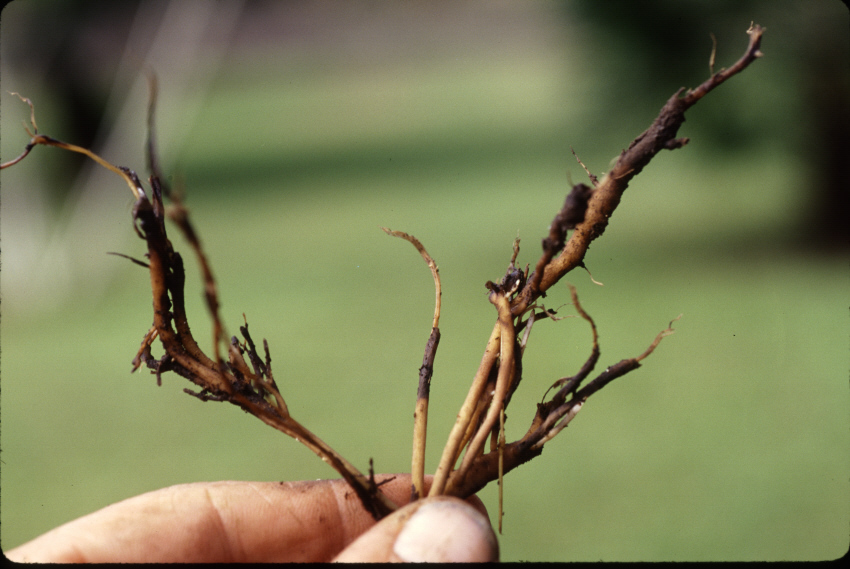 Photo Credit: Scot Nelson | Flickr | CC 1.0 | no changes made
- Phytophthora: Related to Pythium but generally more pathogenic, though less frequently encountered. It primarily causes root and crown rot but can also cause foliar blight.
 Photo Credit: Wikimedia | CC BY-SA 4.0 | no changes made

- Rhizoctonia: A common cause of root disease and stem canker that leads to damping-off, root rot, crown rot, web blight, and stem canker in numerous crops.
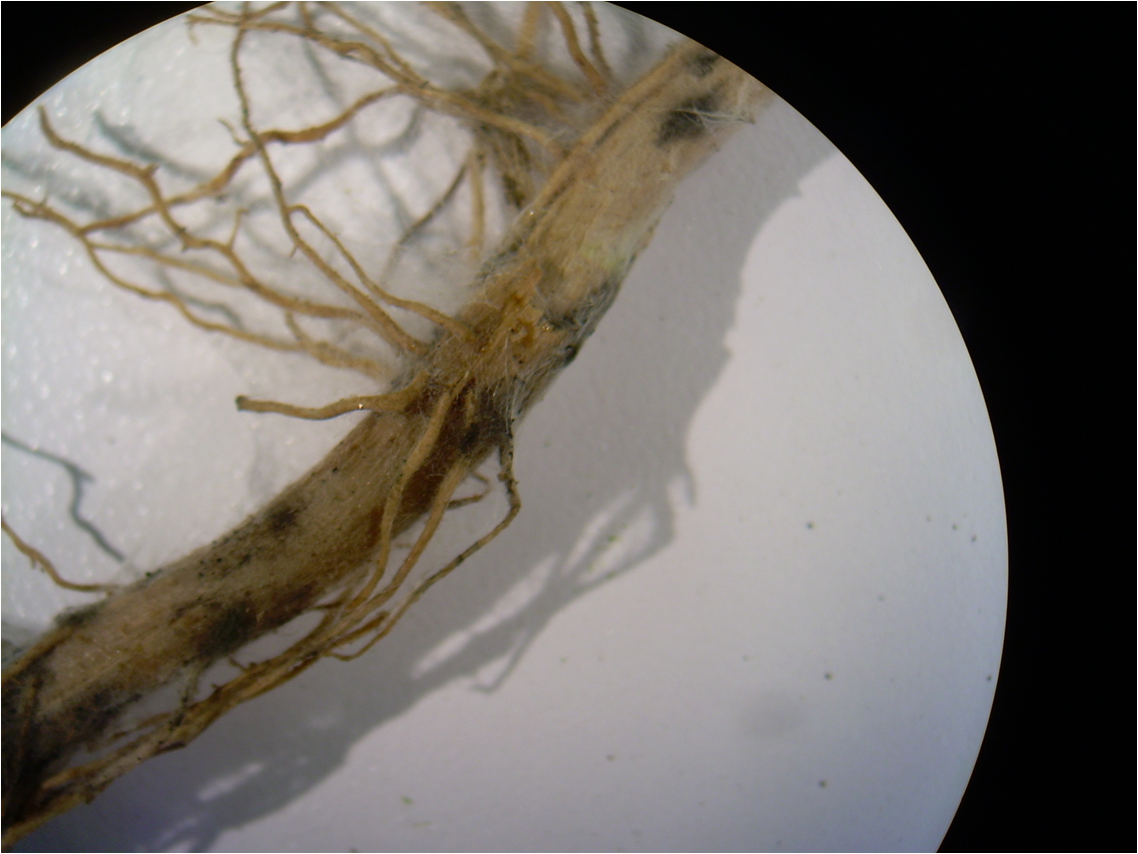 Photo Credit: Wikimedia | CC BY-SA 3.0 | no changes made

- Thielaviopsis: Causes Black Rot, which is most severe in cold, wet soils and is particularly damaging to crops in alkaline soil conditions.
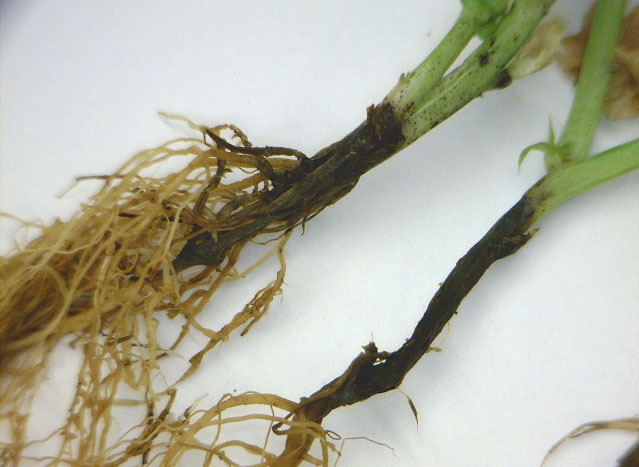 Photo Credit: Lyndon Porter | Pacific Northwest Vegetable Extension Group
Symptoms of Root Rot in Field Crops
Identifying root rot early is crucial for effective management. Root rot typically affects the lower leaves of the plant initially, with wilting continuing upward as the disease progresses. Infected roots will be dark, mushy, and reddish or brown in color, while healthy roots should be firm and white with plenty of feeder roots.
 Photo Credit: Montana State University
Above ground, yellow leaves or stunted growth are often the first visible symptoms. When roots aren't healthy, plants can't absorb nutrients and water properly, causing leaves to turn yellow and wilt while growth slows down.
For root crops specifically, symptoms may include:
- Soft, water-soaked areas on the root surface
- Discoloration (brown, black, or reddish patches)
- Foul odor from affected roots
- Reduced size and quality of harvested roots
- Premature plant death
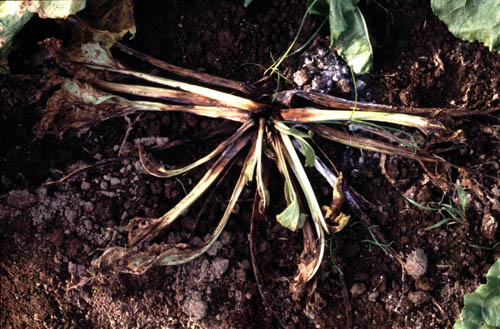 Photo Credit: Wikimedia | CC BY-SA 3.0

Prevention Strategies for Field Crops
1. Proper Drainage and Irrigation Management
Most root rot pathogens are most destructive when soil moisture is abundant. This is especially true for water molds, such as Pythium and Phytophthora.
Since root rot pathogens thrive in saturated conditions, soil management that improves drainage is essential. Planting on high, well-drained beds and carefully irrigating to avoid prolonged soil saturation will significantly reduce the chances of infection. In instances where your fields don’t dry out well due to a high water table, it might be helpful to install tile drainage.
2. Crop Rotation and Field Sanitation
Implementing a diverse crop rotation can help disrupt disease cycles, particularly for host-specific pathogens, but it may not be fully effective as a control method. Several root rot pathogens are distributed globally, and some species can survive for up to 10 years in the soil. Additionally, while some pathogens are host-specific, others have a wide range of hosts.
To help circumvent this limitation, field sanitation practices are crucial:
- Clean equipment between fields to prevent cross-contamination.
- Remove and destroy infected plant debris.
- Avoid moving soil from infected areas to clean fields.
- Control weeds, as they can compete with crops for resources and harbor pathogens.
3. Field Selection
Field selection is a fundamental preventative measure in managing root rot, establishing the foundation for successful IPM implementation before a single seed is planted.
Prioritizing fields with excellent drainage characteristics—preferably those with gentle slopes, sandy loam soils, and functional subsurface drainage systems—provides plants with an environment less conducive to pathogen development, as most root rot pathogens thrive in waterlogged conditions where oxygen becomes limited.
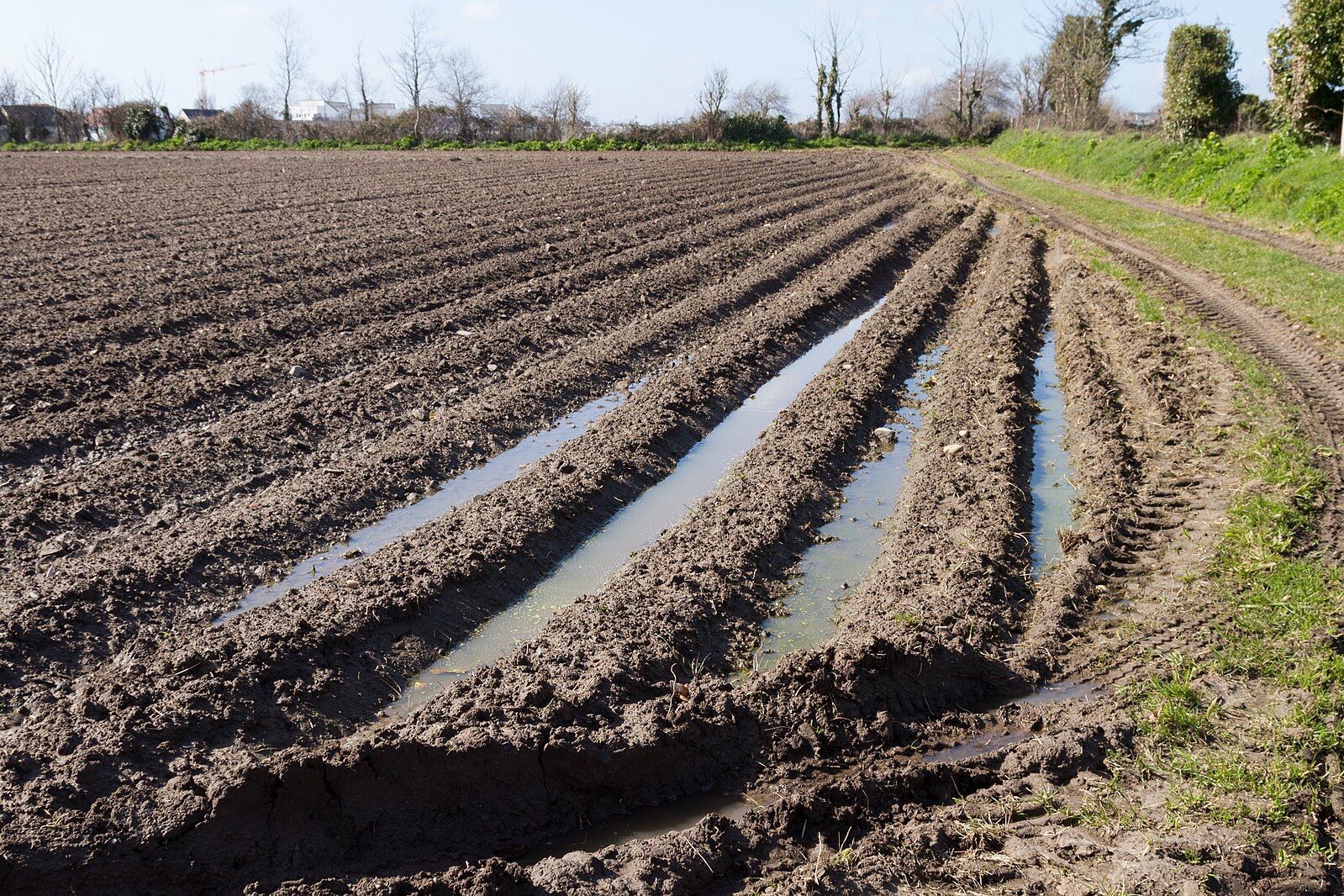 Photo Credit: Wikimedia | CC BY-SA 3.0 | no changes made

Equally important is the field's disease history. Historical knowledge proves invaluable in avoiding fields with known pathogen reservoirs in the soil.
Careful assessment of crop residue management also plays a crucial role, as fields containing high levels of residue from previous crops infected with diseases like Fusarium head blight often harbor elevated populations of root rot pathogens that can quickly colonize new plantings. These residues serve as overwintering sites and primary inoculum sources, creating disease pressure that even healthy seedlings may struggle to withstand.
Additionally, fields with a history of persistent herbicide applications warrant special consideration, as chemical residues in the soil can induce plant stress by interfering with normal root development and function, subsequently rendering crops more vulnerable to opportunistic root pathogens. This herbicide-induced stress can be particularly problematic with certain soil-active products that have extended soil persistence, creating subtle damage that predisposes plants to infection even when other environmental conditions appear favorable.
4. Soil pH Management
For some pathogens like Thielaviopsis (Black Rot), maintaining proper soil pH is an effective management strategy. Alkaline pH levels favor this pathogen and can be managed by maintaining a soil pH of around 5.5 in crops that can tolerate it.
Testing soil pH regularly and adjusting it according to crop requirements and pathogen pressures can help minimize risk.
5. Choose Resistant Varieties or Antagonists
Incorporating cultivated crops resistant to root rot pathogens is an efficient and sustainable solution to counter root rot. When available, select varieties with documented resistance to prevalent root rot pathogens in your area.
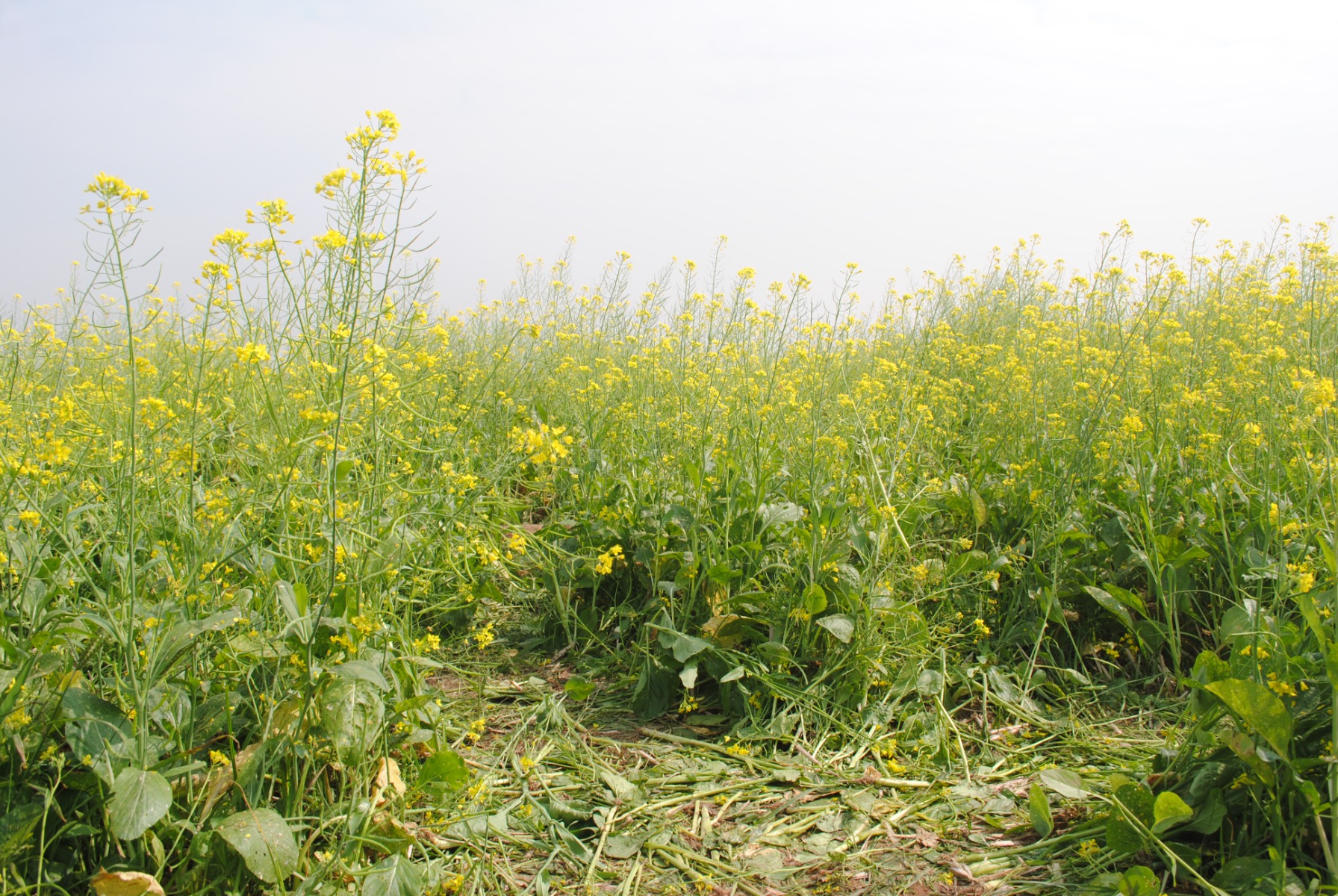
Sudangrass and sorghum-sudangrass hybrids can act as antagonists to some root rot pathogens, releasing compounds, including cyanide, into the soil as biofumigants. Several cruciferous crops — Daikon oil seed radish, forage kale, turnips, and Ethiopian cabbage — including mustards have also been proven effective in helping to reduce soil-borne pathogens that cause root rot diseases. These crops are especially helpful when grown as green manures and worked into the ground.
6. Seed and Planting Practices
Start with disease-free, high-quality cropping and homesteading seeds from reputable suppliers like Deer Creek Seed Co. to avoid introducing root rot pathogens directly into your fields. Consider appropriate seed treatments that target common root rot organisms, creating a protective barrier during the vulnerable germination stage.
When planting, make sure to set your planter for the optimal depth—neither too deep (which stresses emerging seedlings) nor too shallow (which leads to moisture fluctuations)—depending on the crop you’re planting, and wait to plant until soil temperatures have warmed sufficiently. These conditions promote vigorous early growth, helping seedlings quickly develop beyond their most susceptible stage and establish strong root systems that can better resist pathogen invasion.
7. Careful Nutrient Management
Excessive soluble salts and high nitrogen fertility can promote the development of root rot. Both Pythium and Phytophthora are favored by excess moisture and excess nitrogen fertility.
For field crops:
- Follow soil test recommendations for determining the appropriate fertilizer amounts.
- Avoid over-fertilization, especially with nitrogen.
- Consider splitting applications rather than using single, heavy applications.
- Use slow-release fertilizers when appropriate.
Special Considerations for Root Crops
Root crops require additional preventative measures:
- Harvest Timing: Harvest root crops promptly when mature. Delayed harvest, especially in wet conditions, increases the risk of root rot.
- Careful Handling: Minimize damage during harvest and post-harvest handling. Wounds provide entry points for pathogens.
- Storage Conditions: Store root crops in cool, well-ventilated conditions with appropriate humidity to prevent the development of rot during storage.
Treatment Options When Root Rot Appears
If root rot is detected in your field crop:
- Isolate affected areas to prevent spread.
- Improve drainage around affected plants if possible.
- Adjust irrigation to reduce moisture in the affected area.
- Apply appropriate fungicides if warranted and registered for use.
- Consider the removal of severely affected plants to prevent the spread.
Biological and Chemical Controls
When cultural practices aren't sufficient, turn to biological and chemical treatments:
- Biological Controls: Consider beneficial microorganisms like Trichoderma, Bacillus, and mycorrhizal fungi that can protect roots and compete with pathogens.
- Chemical Controls: Fungicides may be necessary in high-risk situations. Options include:
- Seed treatments to protect young seedlings
- Soil fungicides for specific pathogens
- Systemic fungicides for established crops
It’s important to note that chemical control is often inefficient due to the soilborne nature of root rot pathogens. Chemical control is not the most sustainable option, as it impacts beneficial microbes. Furthermore, there's a high likelihood of cross-contamination between contiguous plots when using shared field equipment.
Integrated Management for Long-term Success
The most effective approach to managing root rot in field crops, especially root crops, is an integrated strategy:
- Prevention First: Focus on the mentioned cultural practices to create unfavorable conditions for pathogens.
- Regular Monitoring: Scout fields regularly for early symptoms.
- Prompt Response: Act quickly when symptoms appear.
- Record Keeping: Document problem areas and effective management strategies
- Continuous Learning: Stay informed about new resistant varieties and management techniques.
By implementing these strategies, farmers can minimize losses from root rot while maintaining productive and healthy field crops.
Additional Resources
- “Understanding Root Rot Disease in Agricultural Crops”, by researchers at Washington State University is an excellent resource if you want a more in-depth article on root pathogens.
- Colorado State University Extension has the lowdown on root rots in dry beans. If you need info host, environmental, and cultural factors, this article is a helpful resource.
- Need help managing your soil nutrients, but unsure what your soil test results are telling you? Deer Creek Seed’s guide on interpreting soil test results will walk you through the numbers.
- Problems in your sugarbeets? Make Rhizoctonia root rot management easier with help from North Dakota State University.
- NC State Extension provides all the details on using mustard and oilseed radish as biofumigant cover crops.