


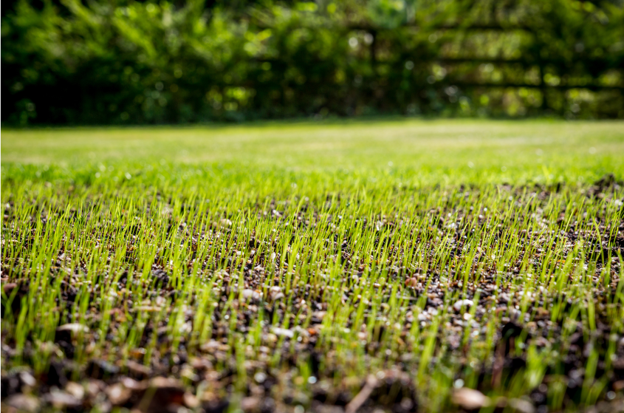
Every spring, the same scene plays out in neighborhoods across the Midwest. Homeowners spot the thin patches, the bare spots, and the winter-damaged sections of their lawn, load up on grass seed at the garden center, and spend a weekend spreading it across the problem areas with the best of intentions. Some of it germinates. Some of it looks promising for a few weeks. And then July arrives.
By midsummer, much of that spring-seeded grass is struggling, pale, shallow-rooted, and entirely unprepared for the heat and moisture stress that cool-season grasses face during the most demanding weeks of the growing calendar. The lawn looks no better than it did before the repair, and in some cases, it looks worse, because the bare patches that were seeded in April are now occupied by the crabgrass that moved in when the young grass couldn’t hold its ground.
The spring seeding cycle is well-intentioned and almost universally recommended by the wrong season. The research on this question is clear and consistent across university extension programs from Virginia to Nebraska: for cool-season turfgrasses, fall is not just a good time to seed; it is measurably, demonstrably, and significantly the better time to seed. The reasons are biological, agronomic, and practical, and they all point in the same direction.
The Soil Temperature Advantage
The single most important variable in successful grass seed establishment is soil temperature, not air temperature, not calendar date, and not the urgency with which a homeowner wants the bare spots filled. Soil temperature governs germination rate, germination percentage, root development speed, and the overall vigor of young seedlings during the most vulnerable phase of their lives.
Cool-season grasses (Kentucky bluegrass, tall fescue, fine fescues, and perennial ryegrass) germinate most reliably and establish most vigorously when soil temperatures are in the 50°F to 70°F range. The best results come when soil temperatures are between 55°F and 70°F, the air is cooling and seedlings still have time to establish before winter. For most northern lawns, this window falls between mid-August and mid-September.
The reason this window is so valuable is the combination it creates, warm soil and cooling air. Warm soil, still carrying the heat of summer from the months preceding, drives fast, consistent germination. Cooling air reduces the evaporative stress that causes surface soil to dry out between waterings and limits the heat burden on young seedlings that have not yet developed the root depth to buffer temperature extremes. Seeding in late summer is preferred because temperatures are still warm enough to promote rapid germination, while the cooler temperatures and shorter days of the approaching fall are ideal for further growth and development of young seedling grasses.
Spring seeding, by contrast, presents the opposite combination at exactly the wrong time. Spring soil is cold and often saturated from snowmelt and early rains, germination is sluggish, patchy, and disease-prone in the cool, wet conditions. By the time the soil warms to the ideal germination range in late spring, summer heat is six to eight weeks away. The seedlings that do establish have very little time to develop the root depth and carbohydrate reserves they will need to survive July.
The Root Depth Difference: Why This Matters More Than Anything
The most compelling agronomic argument for fall seeding has nothing to do with germination rates or weed competition, though both favor fall decisively. It has to do with what happens underground between October and the following July, and why the roots that develop during that window are the only ones with a realistic chance of carrying a new stand of grass through its first summer.
Cool-season grass planted in spring comes up well, but it lacks the root development and food reserves to deal with the high temperatures and stress of summer. These grass plants are very young, tender, and have limited roots and food reserves. With only limited food and root reserves when summer temperatures get high, these plants are unable to tolerate the stresses of summer and often die. This sets the stage for weeds and crabgrass to move in.
Fall-seeded grass, by contrast, has the entirety of autumn, winter, and spring to develop its root system before the first real heat of summer arrives. The best chance for grass plants to survive the stress associated with summer is for them to develop as many roots as possible and to be as mature as possible before summer arrives. Grass planted in fall germinates in warm soil, roots actively through the fall growing season, continue root development in early winter before going dormant, resumes and deepens root growth through spring, and arrives at summer with the food reserves and root architecture to endure the heat.
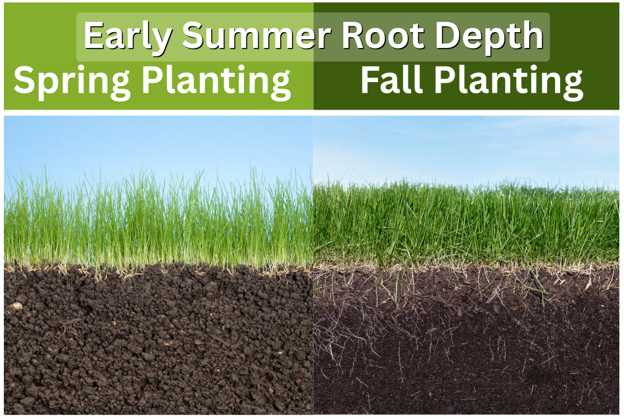 Penn State University Extension research confirms that cool-season turfgrass roots grow most rapidly in spring and fall when soil temperatures are between approximately 50°F and 65°F, and slow significantly during hot midsummer. Fall-seeded grass takes advantage of two full cool-season root growth windows, autumn and the following spring, before facing its first summer. Spring-seeded grass has only the tail end of one spring window before summer heat interrupts root development entirely.
The practical result of that difference in root development time is visible by the following August. Fall-seeded grass is established, dense, and drawing moisture from deep in the soil profile. Spring-seeded grass, if it survived at all, is thin, shallow-rooted, and fighting for its life in the same heat that its fall-seeded counterpart is managing comfortably.
The Weed Competition Advantage
The spring seeding calendar creates a conflict that is almost impossible to resolve satisfactorily: the same conditions that favor grass seed germination in spring also favor the germination and aggressive growth of crabgrass and other annual summer weeds. Trying to establish new grass in spring while crabgrass is simultaneously waking up across the same seedbed is a race that new grass routinely loses.
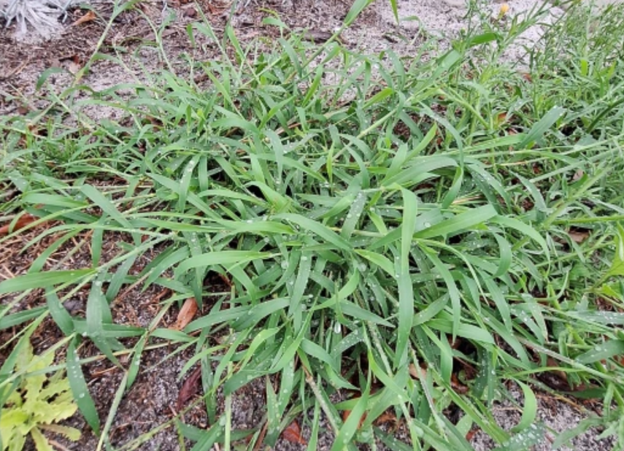 Crabgrass by Greg Tasney
Crabgrass has an inherent competitive advantage against cool-season lawn grasses (fescues, bluegrasses, and ryegrasses) because it gets a jump on them in early spring growth. It germinates from seed just prior to the first significant growth period of cool-season grasses and then grows aggressively under optimal temperature conditions, outcompeting young, tender seedlings for light, water, and nutrients.
The pre-emergent herbicide conflict makes this problem worse. The standard tool for crabgrass prevention in spring, pre-emergent herbicide, cannot be used when new grass seed is in the ground. Pre-emergent products work by preventing all seed germination, and they do not distinguish between crabgrass seed and the Kentucky bluegrass or fescue you have just applied. With the exception of active ingredient siduron, pre-emergence annual grass weed killers will also damage germinating desirable grass seed. A homeowner who wants to control crabgrass and seed new grass in the same spring must choose one or the other, and whichever they skip creates a problem that compounds through summer.
Fall seeding sidesteps this conflict entirely. Crabgrass is an annual warm-season weed that dies with the first hard frost and does not germinate again until soil temperatures reach 60°F the following spring. Applying crabgrass pre-emergent in late spring and then seeding the lawn in the fall is the recommended approach, fall soil temperatures are ideal for germination and there is essentially no competition from annual summer weeds during the establishment window. By the time crabgrass seeds in the soil begin germinating the following spring, fall-seeded grass is already established, thick, and competitive enough to shade out much of the weed pressure naturally.
Fall seeding also benefits from less weed pressure than spring, and late summer weather is less problematic during the soil preparation phase. The extended period of cool weather, usually with good rainfall, that occurs from September through late November is ideal for the growth of cool-season turfgrasses.
Sun and Shade Turf Mix: Why the Species Selection Matters
Not all grass seed performs equally in the fall establishment window, and understanding which species in a mix carry the most value during this period helps explain why a well-designed blend like the Sun & Shade Turf Mix is a better choice for fall repair than either a single-species seeding or a generic all-purpose mix.
The most important characteristic in a fall turf repair mix is the combination of fast-germinating species, to fill bare spots quickly before frost, with persistent, deep-rooted species that use the full fall-through-spring window to build the root architecture that survives summer. Perennial ryegrass germinates in five to ten days under ideal conditions, making it the fastest-establishing cool-season grass. Its quick establishment means seedlings can get a foothold quickly. Tall fescue adds persistence and depth, it can develop a root system reaching two to three feet in ideal conditions, meaningfully deeper than Kentucky bluegrass or perennial ryegrass, giving the stand structural drought resistance that carries through the following summer.
Fine fescues (creeping red fescue, hard fescue, Chewings fescue) bring a third dimension to a sun-and-shade mix: genuine shade tolerance. Tall fescue tolerates shade better than most cool-season lawn grasses, though it still performs best with at least four hours of direct sunlight daily. Fine fescues extend shade performance deeper into tree canopy and north-facing areas where tall fescue begins to thin. For homeowners with mixed light conditions across their lawn, the reality for most properties with mature trees, a blend that covers the full sun-to-deep-shade spectrum produces a consistent, uniform appearance that no single species can match.
The Sun & Shade Turf Mix from Deer Creek Seed is formulated for exactly this application, fall repair across variable light conditions, with species selected for fast germination, deep rooting, and the shade adaptability that most lawn repair situations require. The blend does not require the homeowner to identify sun zones and shade zones and purchase separate products for each. It establishes across the full range and allows the species best suited to each microclimate to naturally dominate over time.
Preparing the Seedbed: Steps That Determine Outcome
Fall seeding’s biological advantages mean nothing if the seedbed preparation does not give the seed the conditions it needs to contact the soil, retain moisture, and germinate consistently. Selecting the right time of year to seed cool-season grasses is the most important factor in successful lawn establishment, but the proper final surface must be firm enough to prevent ruts while being loose and crumbly so that seed can be raked easily into the top quarter-inch of soil.
Aerate first. Core aeration is the single most impactful preparation step for fall overseeding into an existing lawn. The cores pulled from the lawn break down on the surface, providing a top-dressing of loose soil that seed can settle into. The channels left by the tines give seed direct access to the soil profile and improve the seed-to-soil contact that is critical for consistent germination. Mechanical aeration improves compaction, thatch reduction, and seed-to-soil contact simultaneously, all three factors that limit overseeding success in unmaintained lawns.
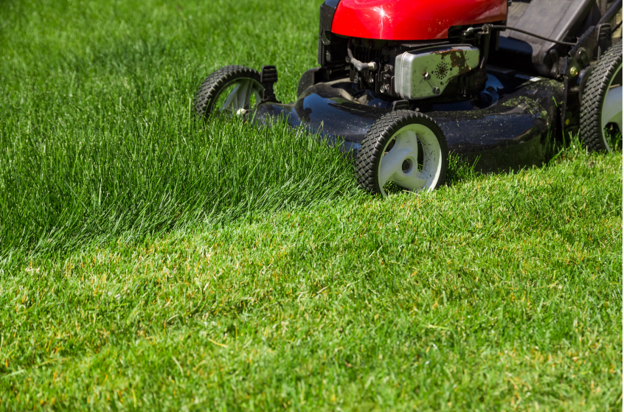
Mow short, then seed. Before overseeding, mow the existing lawn shorter than normal (around two inches) to reduce canopy competition and allow light to reach the new seedlings as they emerge. Rake out any thatch accumulation that is thick enough to prevent seed from reaching the soil surface.
 Time your seeding to the calendar and the thermometer. The best time to seed cool-season grasses is between August 25 and October 10. Lawns seeded within a week of Labor Day are more likely to fill in completely by winter and produce a thicker appearance the following spring than lawns seeded in October. Each week of delay in seeding translates into two to four additional weeks required for the grass to mature in fall. A soil thermometer used at a two-inch depth in the morning, before the sun has warmed the surface layer, gives you the most reliable reading.
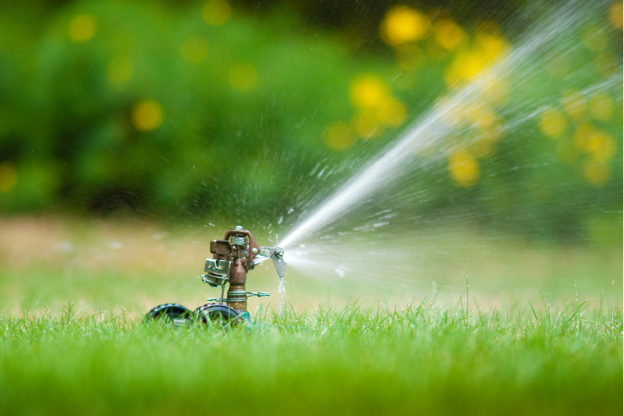
Keep the seedbed consistently moist. New grass seed has no capacity to reach down for moisture. Until the root system has developed enough depth to access soil moisture independently, the top inch of soil where the seed is germinating must stay consistently moist. As seedlings approach mowing height, reduce the number of irrigations but water more deeply with each application to encourage deep root development. Deep, infrequent watering teaches roots to grow down rather than staying in the surface layer.
 Fertilize at seeding, but carefully. A starter fertilizer applied at seeding, one with elevated phosphorus to support root development, gives young seedlings a nutritional foundation during establishment. Avoid high-nitrogen products during the germination phase, as excessive nitrogen drives shoot growth at the expense of the root development that fall seeding is specifically designed to maximize.
The Timing Window by Region
For homeowners across the Midwest and upper Midwest, here is the practical seeding calendar:
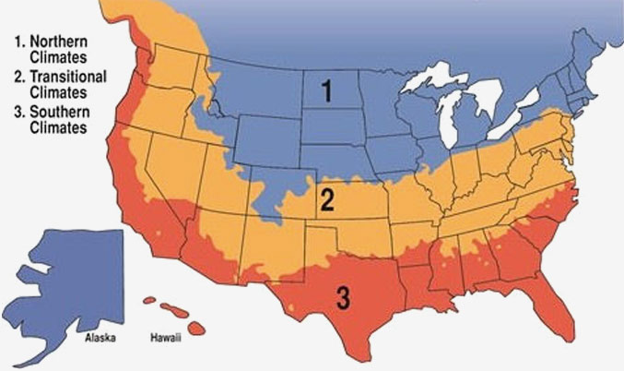 Wisconsin, Minnesota, Michigan, Iowa (northern tier): Target seeding between August 15 and September 10. Getting seeding done as early as possible is important, each week of delay translates to two to four additional weeks of maturity that the grass does not achieve before winter.
Illinois, Indiana, Ohio, Missouri (central tier): The window extends slightly, with good establishment possible through mid-September and into early October in favorable years. Soil temperatures stay in the ideal range longer in these regions, though the principle of earlier-is-better still applies.
Nebraska, Kansas, and the transition zone: For transition zone lawn owners, September and October are the best time for seeding cool-season lawns, a slightly later window driven by the later arrival of consistently cooler air and soil temperatures.
In all regions, the guiding standard remains consistent: seed at least 45 days before your average first fall frost date, with soil temperatures between 55°F and 70°F at a two-inch depth.
What Happens Over Winter — and Why It Matters
One of the most common misconceptions about fall seeding is that winter dormancy “wastes” the establishment period. In reality, winter is when fall-seeded grass is doing some of its most important foundational work.
Grass plants do not simply stop all biological activity when they go dormant. Root systems of established cool-season grasses continue to grow slowly even when soil temperatures are well below the active shoot growth threshold. Mowing cool-season grasses taller in summer provides benefits of deeper roots and better cooling effect. Fall-planted grass uses winter to develop the exact root depth and density that allows taller summer mowing heights to maintain good color and vigor under heat stress.
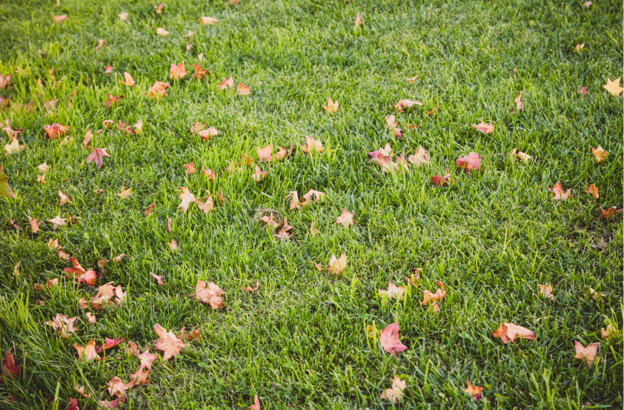 As soil temperatures drop below 50°F in late fall, visible shoot growth slows and eventually stops. But the root system that was built during August, September, and October remains intact and alive beneath the surface, positioned to resume growth immediately when spring soil temperatures climb back into the active range. As spring comes, fall-planted grass develops more, gets thicker, and grows deeper roots. When summer arrives, the food reserves and root development are much better, and it is able to endure the summer stress that kills spring-seeded grass of the same age.
That is the fundamental asymmetry between fall and spring seeding: a fall-seeded lawn arrives at its first summer with a full growing season of root development already behind it. A spring-seeded lawn arrives at its first summer with six to eight weeks of root development, and faces the same heat, the same drought, and the same biological stress with a fraction of the underground infrastructure it needs to survive.
Lawn repair is an investment of time, effort, and seed. Doing it in spring is not wrong, there are circumstances where it is the only practical option, and spring seeding can succeed with excellent management and favorable weather. But choosing fall for turf repair when the timing allows is not just a preference. It is the approach that university turfgrass research, extension agronomists, and the biology of cool-season grass consistently validate as the path to a lawn that enters summer prepared, with roots deep enough to find water when the rain stops, dense enough to crowd out the weeds that fill every thin spot, and mature enough to handle whatever July brings.
The roots you build in fall are the insurance policy you cash in next August.
Browse our Sun & Shade Turf Mix and full line of cool-season turf mixes at Deer Creek Seed to find the right blend for your fall repair project this season.
Sources
- Missouri Extension. Cool-Season Grasses: Lawn Establishment and Renovation. https://extension.missouri.edu/publications/g6700
- Missouri Extension. Managing Lawns and Turfgrass. https://extension.missouri.edu/publications/mg10
- Virginia Cooperative Extension / Virginia Tech. Breaking the Spring Seeding Cycle. https://ext.vt.edu/lawn-garden/turfandgardentips/tips/Breakspringseedcycle.html
- Virginia Cooperative Extension / Virginia Tech. Best Management Practices in Spring Crabgrass Control in Lawns. https://ext.vt.edu/lawn-garden/turfandgardentips/tips/bmp-spring-crabgrass-control.html
- Nebraska Extension in Lancaster County. Time for Fall Lawn Seeding. https://lancaster.unl.edu/time-fall-lawn-seeding/
- Illinois Extension. Managing Crabgrass in Lawns. https://extension.illinois.edu/lawns/managing-crabgrass-lawns
- University of Connecticut Extension. Crabgrass Control. https://homegarden.cahnr.uconn.edu/factsheets/crabgrass-control/
- Penn State Extension. Turfgrass Root Growth and Seasonal Patterns. Referenced in: https://whatgrassisthis.com/blog/grass-roots-101-how-deep-do-lawn-roots-grow-and-why-it-matters
- Pennington Seed / Lawnbright. How to Overseed a Lawn in Fall — Cool-Season Grass Guide. https://getlawnbright.com/blogs/lawnintelligence/fall-overseeding-guide-for-cool-season-grasses
- Pennington Seed. The Best Time to Plant Grass Seed. https://www.pennington.com/all-products/grass-seed/resources/the-best-time-to-plant-grass-seed
- Barenbrug. The Perfect Temperature for Lawn Seed Germination. https://www.barusa.com/homeowner/challenges-solutions/perfect-temperature-lawn-seed-germination-what-every-homeowner
- SoilTemps.com / Penn State Extension data. Spring Overseeding Cool-Season Grass: The Complete Soil Temperature Guide. https://www.soiltemps.com/guides/spring-overseeding-cool-season-grass
- Andersons Lawn. Can I Apply Pre-Emergent and Seed at the Same Time? https://andersonslawn.com/blogs/learn/the-rules-for-applying-pre-emergent-seeding-at-the-same-time
- Jonathan Green. How Do I Seed and Prevent Crabgrass? https://www.jonathangreen.com/faq/how-do-i-seed-and-prevent-crabgrass/
- Pennington Seed. All You Need to Know About Tall Fescue. https://www.pennington.com/all-products/grass-seed/resources/all-you-need-to-know-about-tall-fescue