



If you've been farming for any length of time, you know that pest problems are just part of the job. But what if there was a smarter way to deal with challenges than reaching for chemicals as your first defense? That's where Integrated Pest Management—or IPM as it's commonly known—comes into play.
IPM is a common-sense approach to pest management that combines strategies—biological, cultural, physical, and chemical—to manage insect pests and disease vectors while minimizing risks to people, beneficial organisms, and the environment. Rather than relying solely on pesticides, IPM integrates various control methods in a way that's both effective and economical.

As farmers face rising input costs and increasing regulatory pressures, IPM provides practical and economical solutions that can improve bottom lines while demonstrating environmental stewardship.
In the following article, we'll explore how IPM principles can be applied on your farm to create a more sustainable and profitable operation.
Understanding the IPM Framework
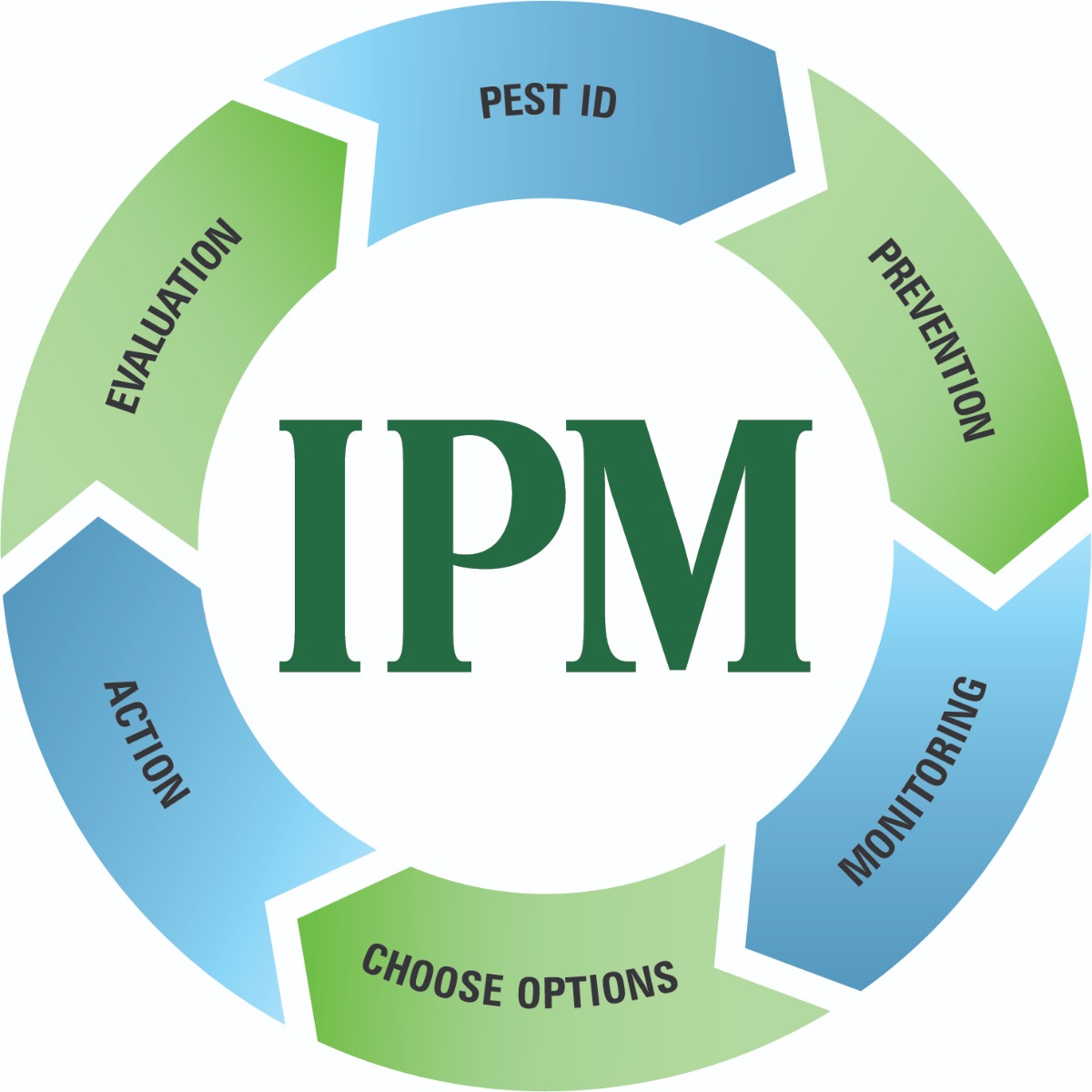
IPM is built on six fundamental principles that form an adaptive management approach:
- Prevention: Implementing cultural practices that inhibit pest establishment.
- Monitoring: Regular surveillance of crops and pest populations.
- Decision-making: Using economic thresholds to determine when intervention is necessary.
- Non-chemical approaches: Prioritizing biological, mechanical, and cultural controls.
- Targeted chemical use: Applying pesticides only when necessary and in the most effective manner.
- Evaluation: Assessing the effectiveness of implemented strategies and adapting for future seasons.
Key Implementation Strategies
Crop-Specific IPM Planning
IPM isn’t a one-size-fits-all practice. Each crop requires its own approach, considering unique pest pressures, growing conditions, and management objectives. Developing a crop-specific IPM plan ensures the strategies address the particular challenges you may face that season.
Strategic Crop Selection
At the foundation of IPM is choosing appropriate crops and varieties that can significantly reduce pest pressure before it you even begin to have problems.
Choose Resistant Varieties
The genetic basis for pest resistance varies widely. Some varieties possess physical barriers like thicker cuticles or waxy leaf surfaces to stop pest problems, while others produce chemical compounds that deter feeding or egg-laying.
- Wheat: Varieties like 'Everest' and 'SY Monument' offer built-in resistance to Hessian fly and certain rust diseases, reducing the need for insecticide applications. MTF 1435 Winter Wheat demonstrates good resistance to stripe rust.
- Sweet Corn: Incredible Yellow, Delectable, and Bodacious have high resistance to common rust (HR-RpGI5) and Maize Dwarf Mosaic, and intermediate resistance to Stewart’s Wilt.
- Tomatoes: Varieties with the "VFN" designation (Verticillium wilt, Fusarium wilt, and nematode resistant) allow production in fields with known soil-borne disease pressure.
- Apples: Scab-resistant varieties such as 'Liberty', 'Enterprise', and 'GoldRush' can reduce fungicide applications by 60-70% compared to susceptible varieties.
Regional Adaptation
It’s also helpful to choose varieties that don’t align with insect life cycles.
- Cotton: Short-season varieties like DP 2414 B3TXF in the Southeast complete their growth cycle before peak boll weevil populations develop.
- Potatoes: Early-maturing varieties (Blazer Russet, Yukon Gold, Red Norland, Irish Cobbler, and Alta) in the Pacific Northwest can be harvested before late blight becomes severe in fall conditions.
Trap Cropping
- Alfalfa strips of 390 Hyqual, Winter King II, or Great Lakes Rapid Cut in fields attract lygus bugs away from the main crop.
- Perimeter plantings of Blue Hubbard squash draw cucumber beetles away from cash crops like zucchini and melons.
- Sunflowers like Peredovik Black planted as borders around organic vegetable fields attract beneficial insects while intercepting pests.
Companion Planting
- Basil interplanted with tomatoes repels thrips and tomato hornworms.
- Marigolds suppress nematode populations when rotated with susceptible crops.
- Clover understory in apple orchards increases predatory insect populations.
Pest Identification and Monitoring
One of the primary components of IPM is regular pest monitoring, making it crucial to accurately identify pests in your fields. Correct identification from the start prevents costly mistakes and ineffective treatments.
Many pests may appear similar, but they often require entirely different management strategies. Invest time in learning the distinguishing characteristics of common pests in your region. If you encounter unfamiliar insects or damage patterns, you can consult with extension specialists or certified crop advisors for help with proper identification before implementing control measures.
Consistent monitoring doesn't require daily intensive field inspections. Instead, create a systematic approach tailored to your operation, whether that be weekly scouting routes, strategically placed pheromone traps, or sticky card monitoring systems. The objective is to detect pests early, when their populations are still manageable and control options remain cost-effective.
Effective monitoring also includes keeping basic records of when you scout for pests and population levels. Over time, this historical data reveals seasonal patterns and can help predict when specific pests are likely to appear, enabling proactive rather than reactive management decisions.
Economic Thresholds and Action Levels
The goal of IPM isn’t to get rid of pests completely. Instead, it aims to keep pest problems at manageable levels, so they don’t decimate crops or severely impact your return on investment.
With this in mind, economic thresholds—scientifically determined pest population levels at which the cost of damage caused by the pest exceeds the cost of control measures—become key parameters.
This decision-making framework transforms your pest management strategy from a calendar-based routine to a data-driven process.
Types of Thresholds in IPM Decision-Making
Economic Injury Level (EIL): This represents the lowest pest population that will cause economic damage—the point where the value of crop loss equals the cost of control measures. The EIL serves as the scientific foundation for treatment decisions.
Economic Threshold (ET): Often set below the EIL, this is the pest density at which control measures should be initiated to prevent populations from reaching the Economic Injury Level. It provides a buffer that accounts for pest reproduction rates and treatment lead time.
Action Threshold: A practical adaptation of economic thresholds used when precise economic calculations are complicated. These are often expressed as simple counts (e.g., "5 aphids per leaf" or "3 larvae per plant").
Practical Applications of Thresholds
Thresholds vary significantly by:
- Crop type and growth stage: Younger plants often have lower thresholds, and some crops are more susceptible to damage.
- Pest species and life stage: Depending on the pest, they may cause more damage at some stages (i.e., larval, adult) than others/
- Environmental conditions: Stressed crops may have lower thresholds as they are more susceptible.
- Market conditions: Higher crop prices justify higher control costs.
- Presence of natural enemies: Predators may reduce the need for intervention, raising the threshold levels.
Examples of Established Economic Thresholds
- Soybean: Treatment for soybean aphids is recommended when populations reach 250 aphids per plant, with populations increasing and plants in the R1-R5 growth stage.
- Cotton: Boll weevil thresholds are typically 10-15% damaged squares during the first weeks of squaring, decreasing to 5-10% as the season progresses.
- Sweet Corn: European corn borer treatment is justified when 15% of plants show fresh feeding damage in the whorl stage.
- Apples: Codling moth thresholds may be set at five moths per pheromone trap per week, with lower thresholds for organic production systems.
Biological Control Integration
Working with nature can be one of your most effective pest management strategies. You've got allies out there—predatory insects, parasitic wasps, and other beneficial helpers that are more than happy to help you keep pest populations in check.
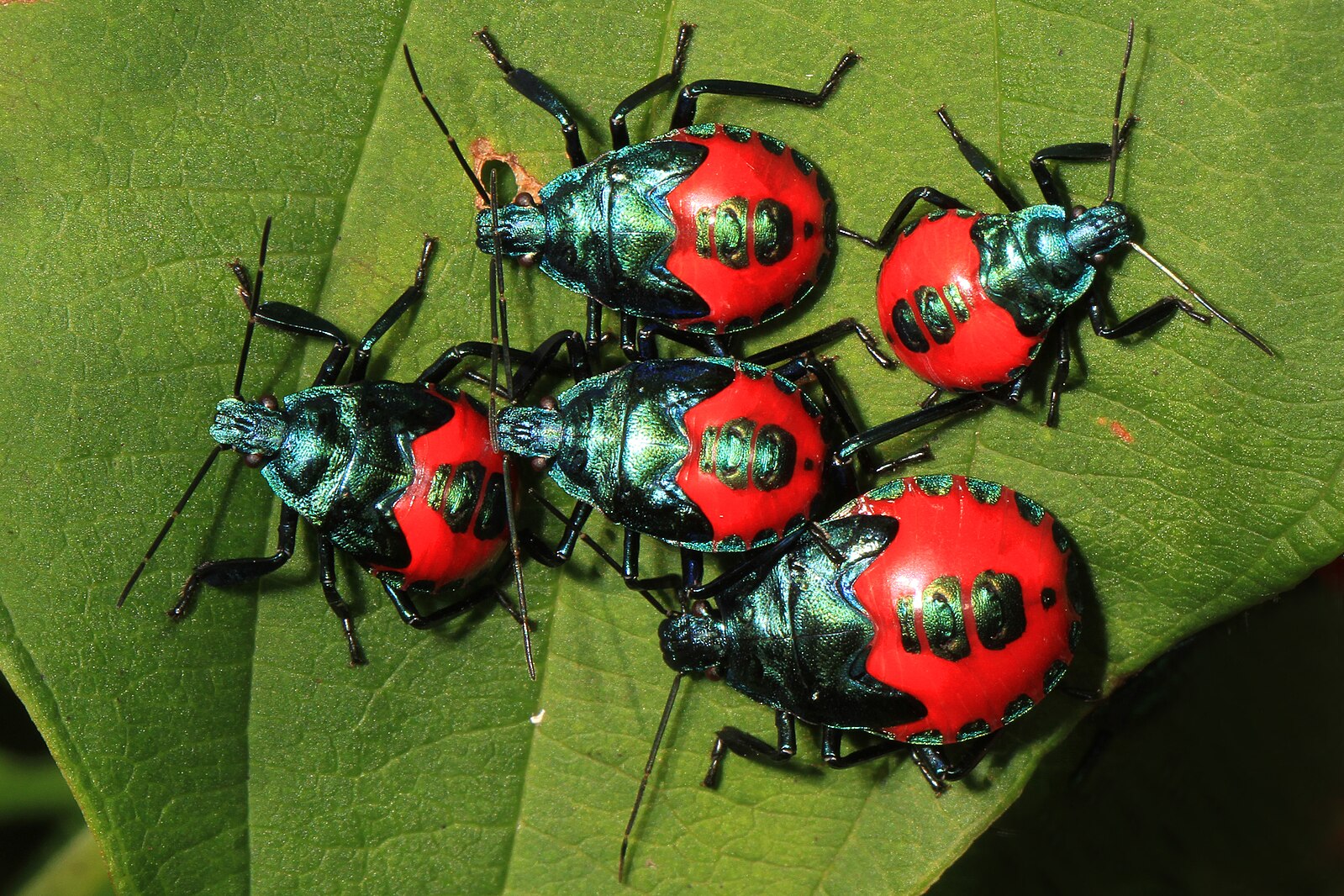 Photo Credit: Wikimedia | CC BY 2.0
The key is giving these natural enemies what they need to thrive. This might mean leaving some weedy strips around field edges for habitat, planting cover crops that provide nectar sources, or simply avoiding broad-spectrum sprays that wipe out the good bugs along with the bad ones. Sometimes, you might even purchase and release beneficial insects to boost their numbers when pest pressure gets heavy.
When you do need to spray, consider biopesticides made from natural materials, like Bt (Bacillus thuringiensis) or botanical oils. These products can be tough on the pests you want to control while being much gentler on your beneficial insect workforce.
Cultural and Mechanical Controls
Cultural and mechanical control methods draw on centuries of traditional agricultural wisdom.
Crop rotation is one of your best tools for breaking pest cycles. When you change what you're growing in a field, you disrupt pest life cycles and prevent the buildup of specialized pest populations. This practice works especially well against soil-dwelling pests and those that can't travel far to find their preferred host plants.
Field sanitation goes hand in hand with rotation. By cleaning up crop residue, weeds, and other debris where pests like to overwinter or breed, you're eliminating their home base before the next growing season starts.
Timing your planting dates strategically can help you escape peak pest activity altogether. Sometimes, mowing your planting date a week earlier or later can help your crop avoid the worst pest pressure during the season.
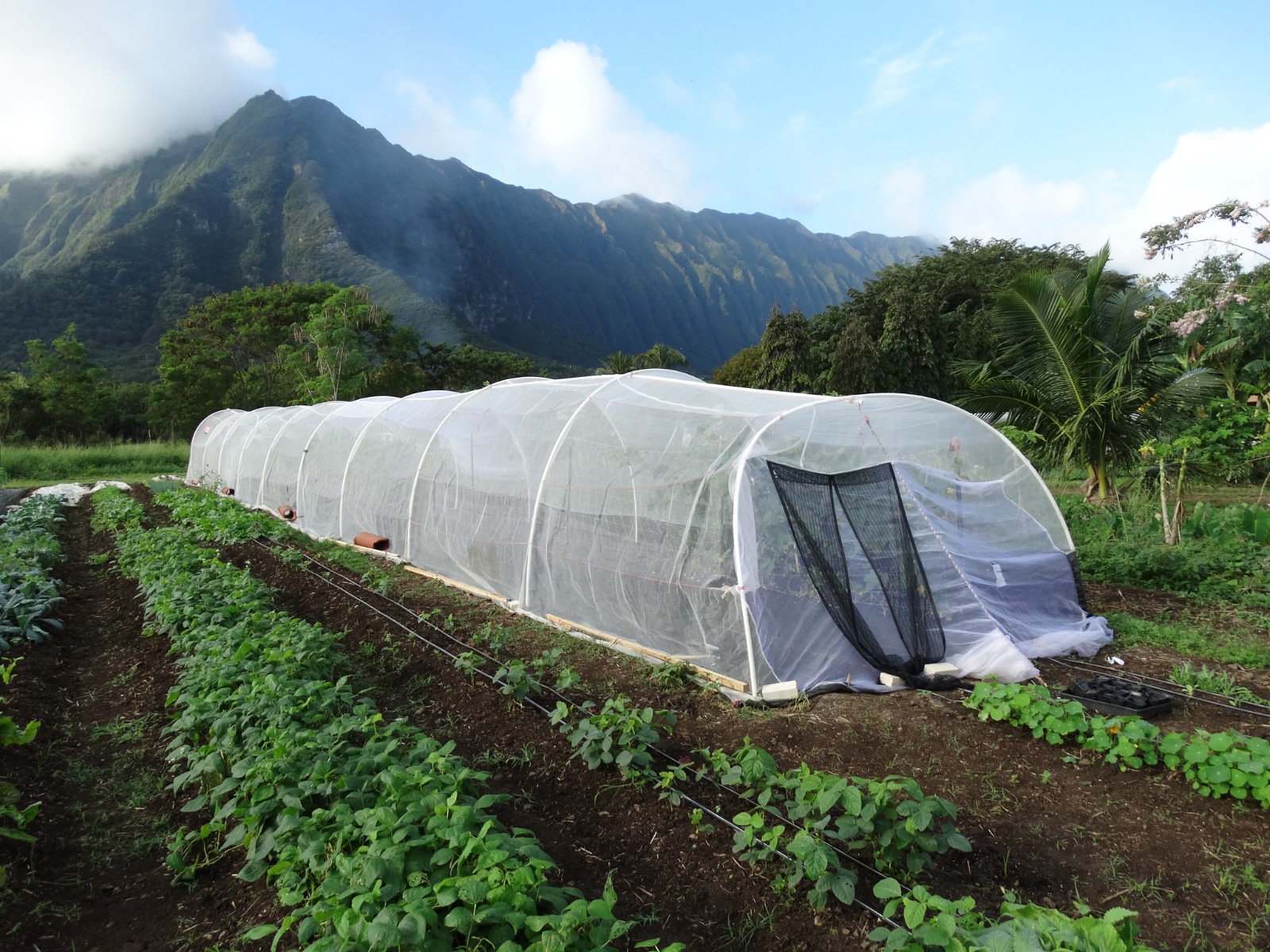
Physical barriers provide an additional layer of defense. Row covers, insect netting, and even high tunnels and sophisticated screenhouses can effectively keep pests away from your crops. These methods work particularly well for high-value crops where the investment makes sense, and they're especially useful against insects that spread plant diseases.
Selective Chemical Application
When pest populations exceed your established economic thresholds, IPM then turns to selective chemical interventions. Remember that the aim is to use pesticides as a component of your pest management system rather than the primary solution.
This integrated approach to chemical use is really where the fundamental shift in management practices lies. It results in significant reductions of pesticides while maintaining or improving crop protection outcomes.
- Choose products that target your specific pest problem without harming beneficial insects and pollinators. Look for selective options rather than broad-spectrum chemicals that kill everything in sight.
- Target pests when they're most vulnerable—often during specific life stages—and when weather conditions help the product work most effectively. This approach allows you to use less product while achieving better results.
- Rely on application technology. GPS-guided sprayers, precision nozzles, and other advanced equipment put pesticides exactly where they're needed, saving you money and protecting non-target areas.
- Rotate between different chemical classes to stay ahead of resistance problems. Using the same mode of action repeatedly is like using the same play in football—eventually, the other team figures it out. Smart rotation keeps your chemical tools effective for the long haul.
Learning from Your IPM Efforts
The evaluation phase is where you take a step back at the end of a season and honestly assess how well your IPM strategies worked. Good record-keeping makes evaluation much easier, but it doesn't have to be complicated. Simple notes about what you tried, when you did it, and what happened can provide valuable insights for next season.

This isn't just about whether you controlled the pests—it's about looking at the bigger picture. The goal is to continuously improve your IPM program by building on what worked and adjusting what didn't.
Did your approach save money compared to your old methods? Were there unexpected benefits or problems you didn't anticipate? Maybe that new resistant variety worked great against aphids but struggled with drought, or perhaps your beneficial insect releases exceeded expectations.
Remember, IPM is a learning process—even experienced practitioners are constantly fine-tuning their approach based on what they observe in their fields.
Implementing IPM Into Your Farm Management Practices
The transition to IPM doesn't happen overnight, but every step you take builds toward a more resilient and economically sustainable operation. Start with one or two practices that make sense for your situation—perhaps incorporating economic thresholds into your decision-making or trying pest-resistant varieties in a few fields. As you gain experience and see results, you can gradually expand your IPM toolkit.
The future of farming lies in working smarter, not harder. By adopting IPM principles, you're not just controlling pests—you're building a farming system that can adapt to changing conditions while protecting both your profitability and the environment for generations to come. The question isn't whether you can afford to implement IPM, but whether you can afford not to.
Additional Resources
- Need help establishing economic thresholds? The University of California has established a Statewide IPM Program, and can help with your management actions.
- Michigan State University Extension offers an invaluable resource to help you with your scouting efforts.
- Pesticide resistance is a significant concern in farm management, even when implementing IPM practices. Iowa State University’s Integrated Pest Management site has an excellent presentation on what it is, how it occurs, and how to delay problems.
- Integrated Pest Management isn’t some hair-brained idea, but rather, based on scientific research. Listen to UC IPM scientist Pete Goodell talk about IPM’s scientific basis.